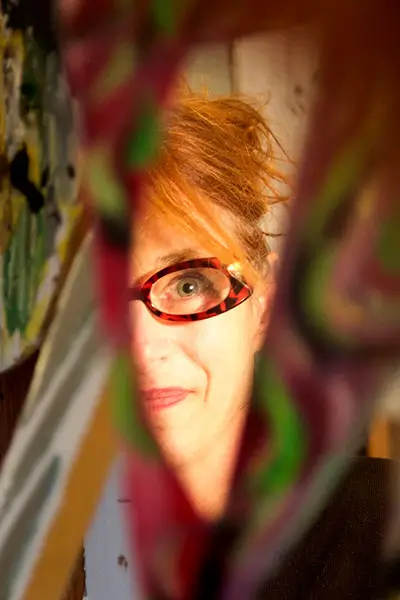


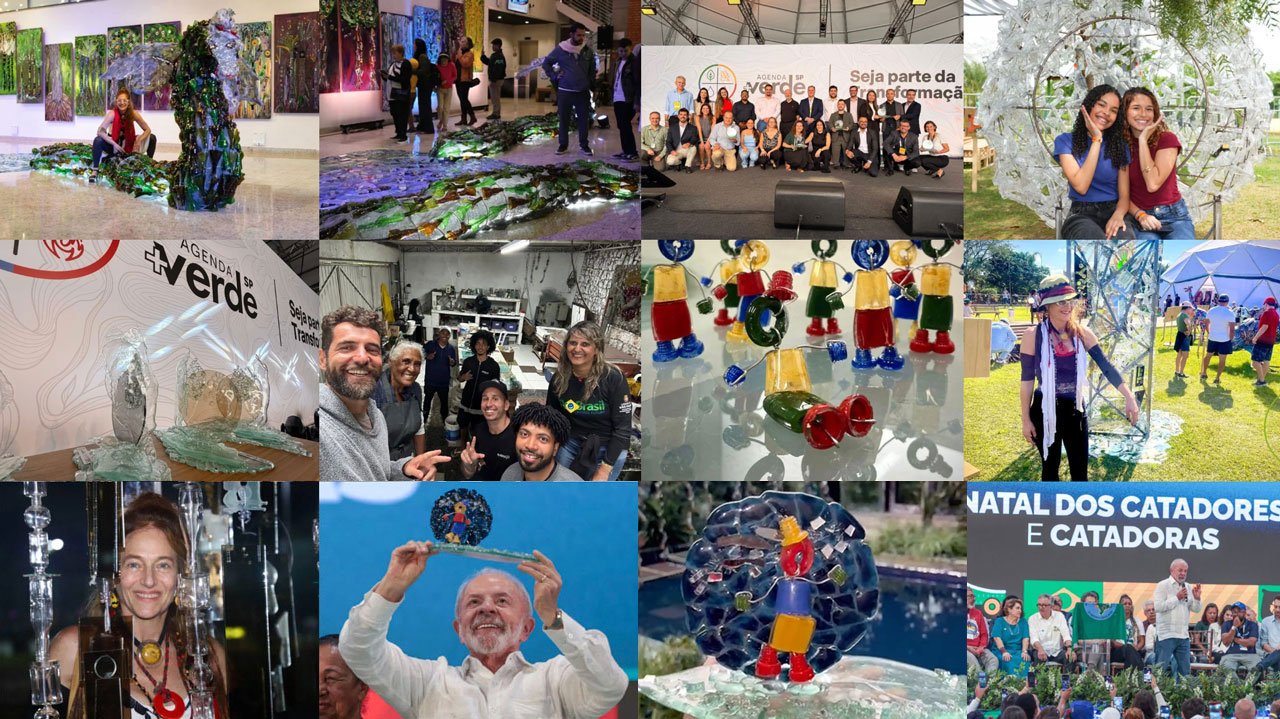
A very important and special year.
2025 was a year of big achievements, meaningful encounters,
and important steps in Debora Muszkat’s artistic journey.
Glass remained the language —
but above all, it became a tool for connection.
A bridge between people, ideas, and purposes.
A material that crosses symbolic boundaries and affirms itself as a medium for dialogue, reflection and transformation.
Throughout the year, her art occupied new spaces and gained new layers of meaning.
None of this would have been possible without the partners who walked the path with her, believing in art as a tool for social, environmental and cultural impact.
We give our sincere thanks to the World Circular Economy Forum (WCEF), SESI, the Bienal do Lixo, the SP+Verde, and the Expo Catadores, for giving trust to glass art as a language of transformation and awareness.
2025 also reinforced the strength of the Debora Muszkat Studio.
More than a place of creation, it became a meeting point — a space for dialogue, exchange, and presence, where art happens in direct conversation with society.
Through exhibitions, workshops, encounters, and symbolic gestures, the year 2025 came to a close with gratitude from our side. It opens pathways toward a future that continues to be imagined, realized and built through glass, achieving real transformations.
✦ December: ExpoCatadores 2025
Encantos da Catação / Catching enchantments
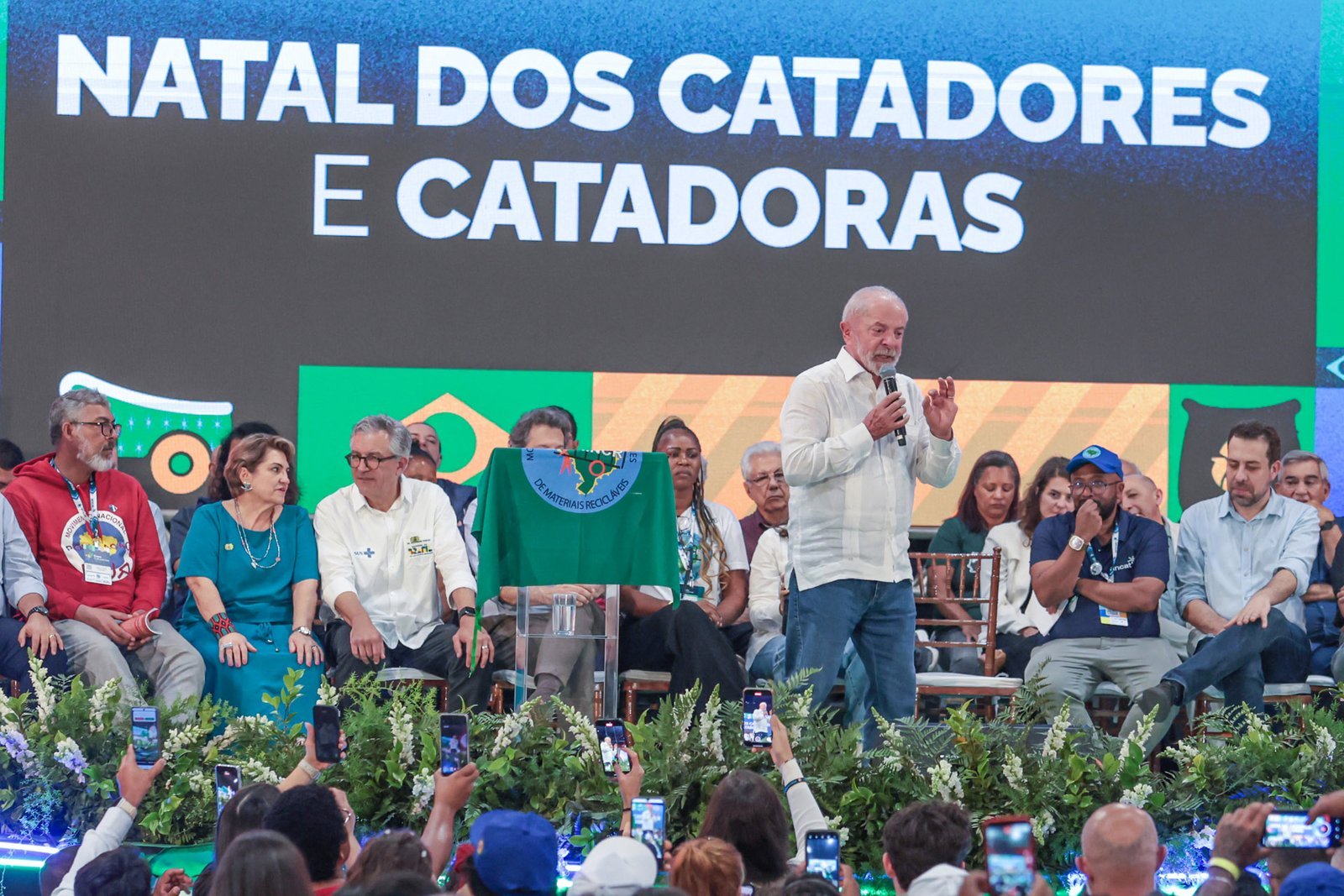
From December 17th to 19th, at Distrito Anhembi in São Paulo, ExpoCatadores 2025 marked the closing of the year with one of the most symbolic moments of the artist’s journey.
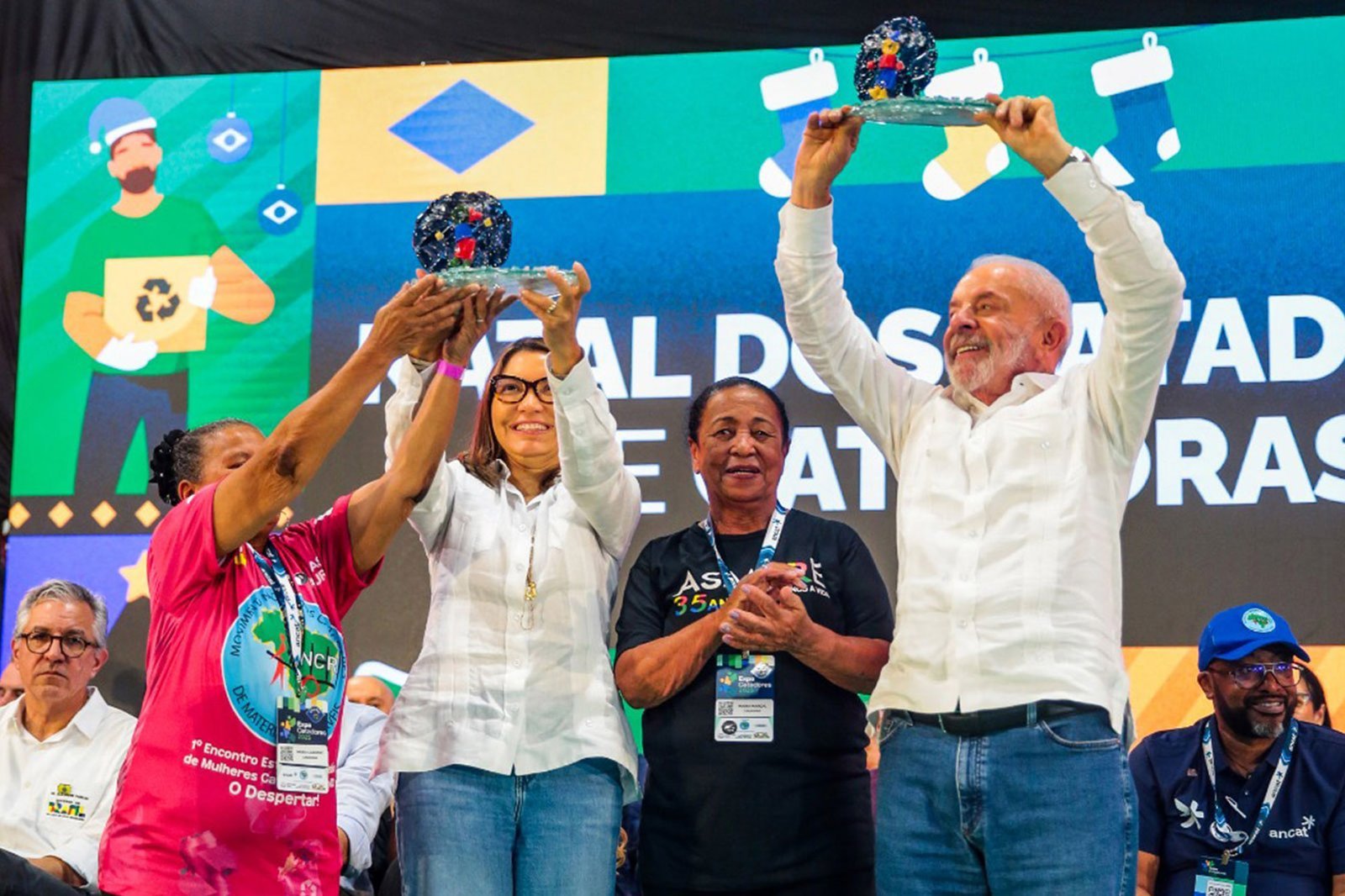
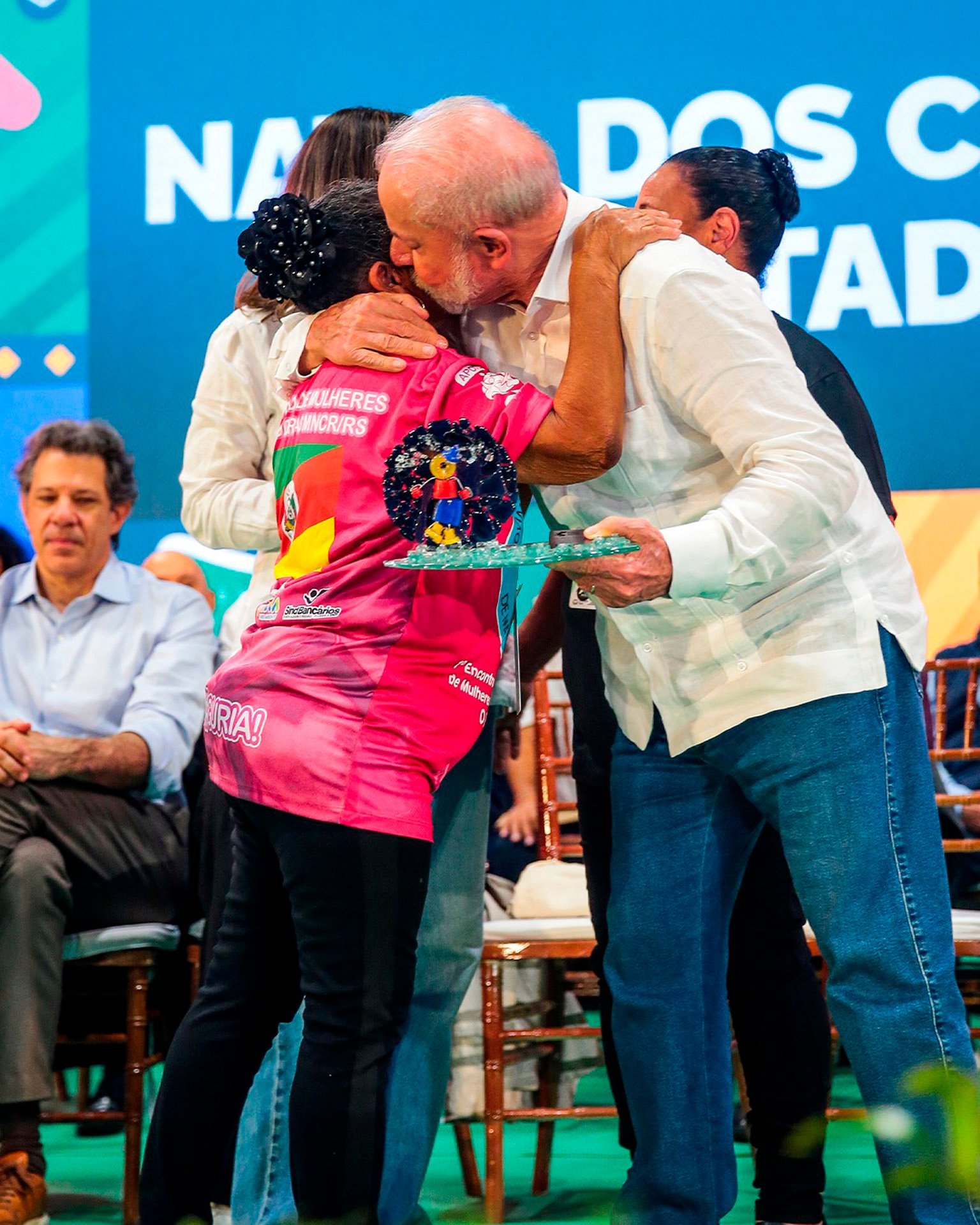
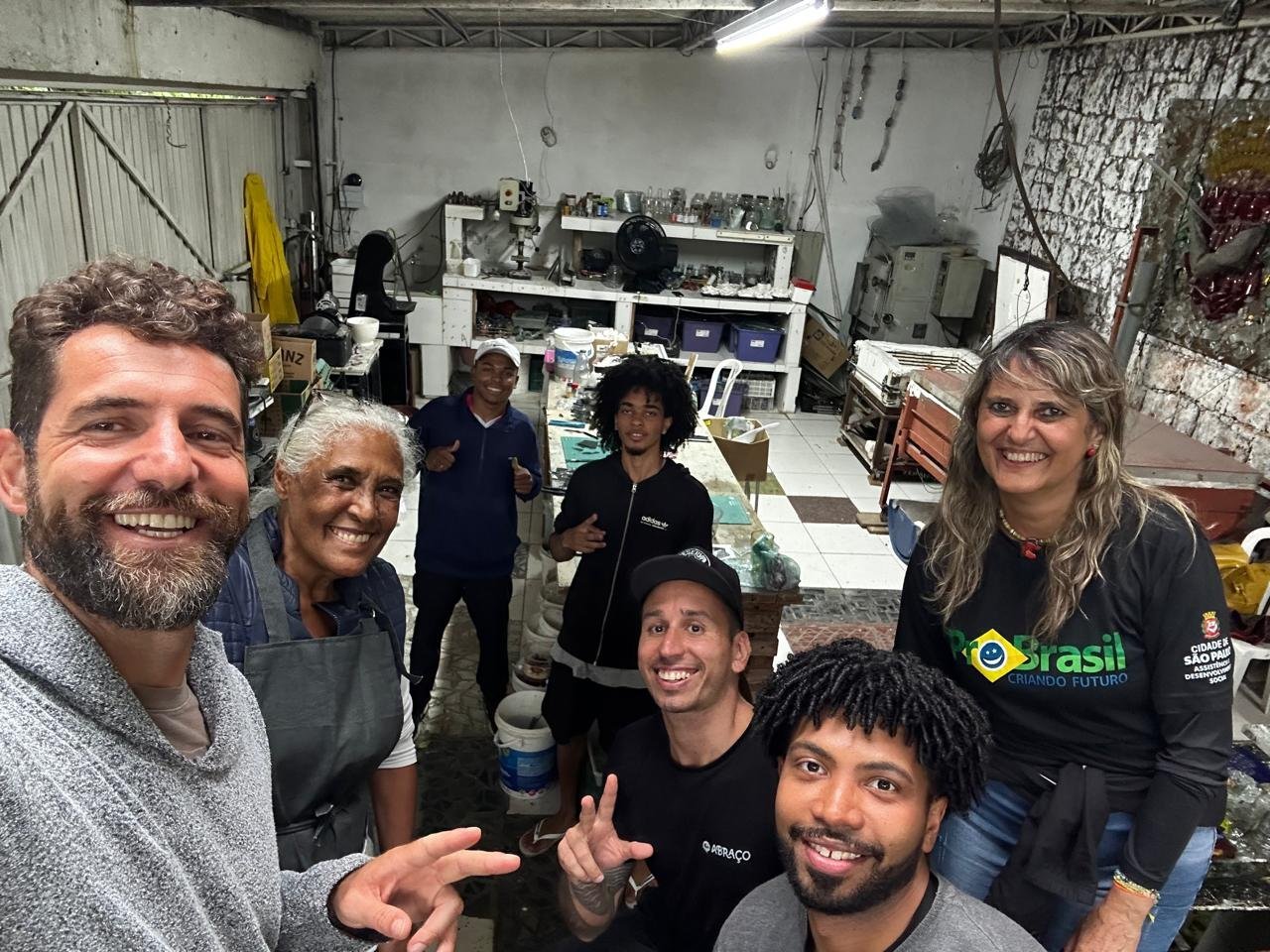
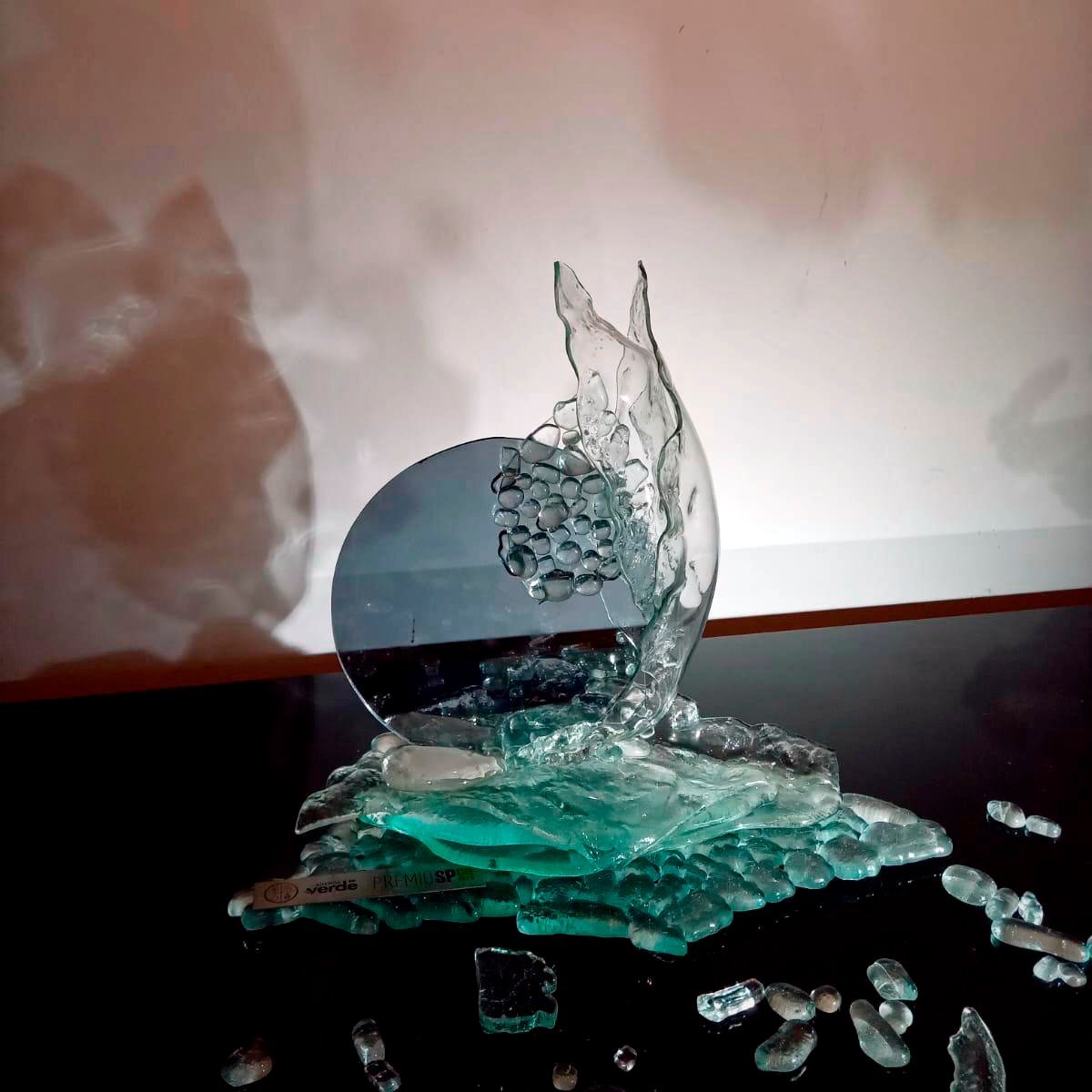
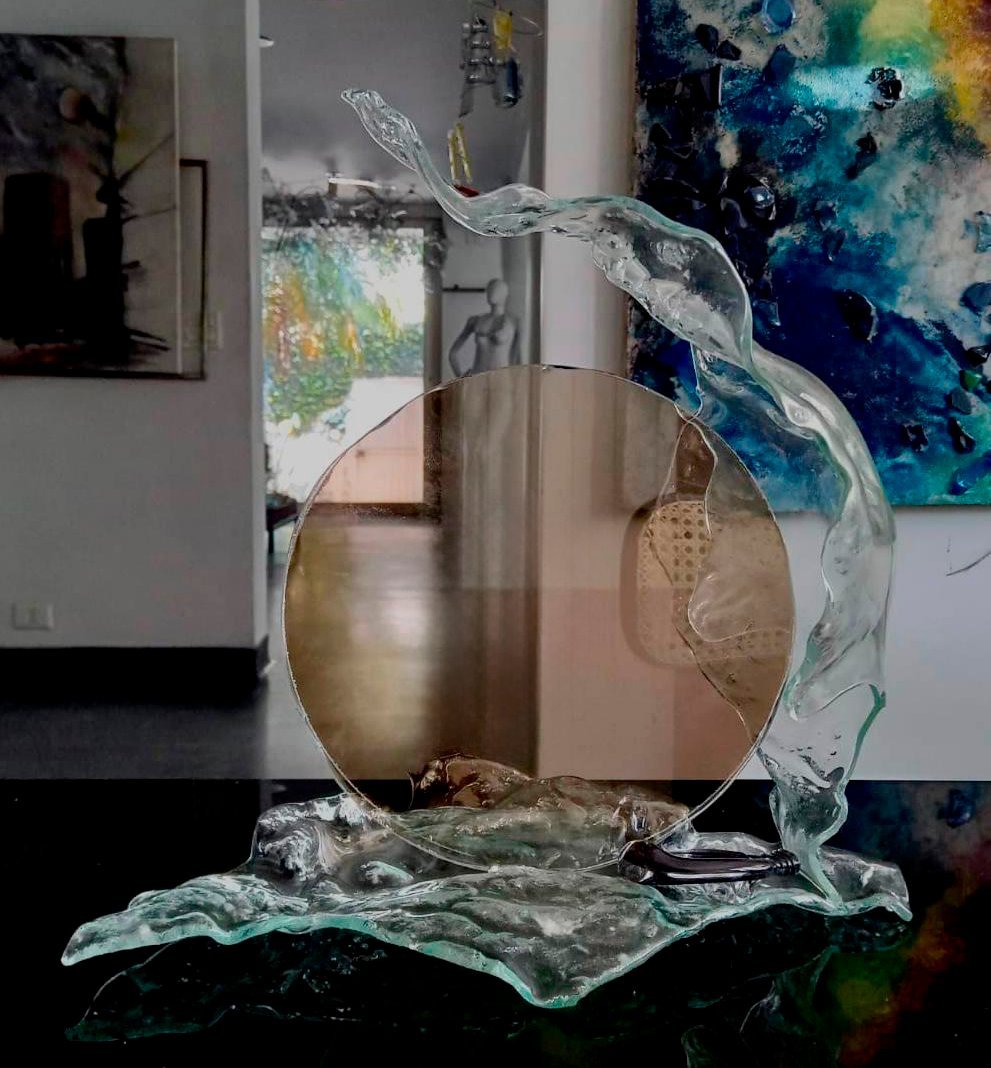
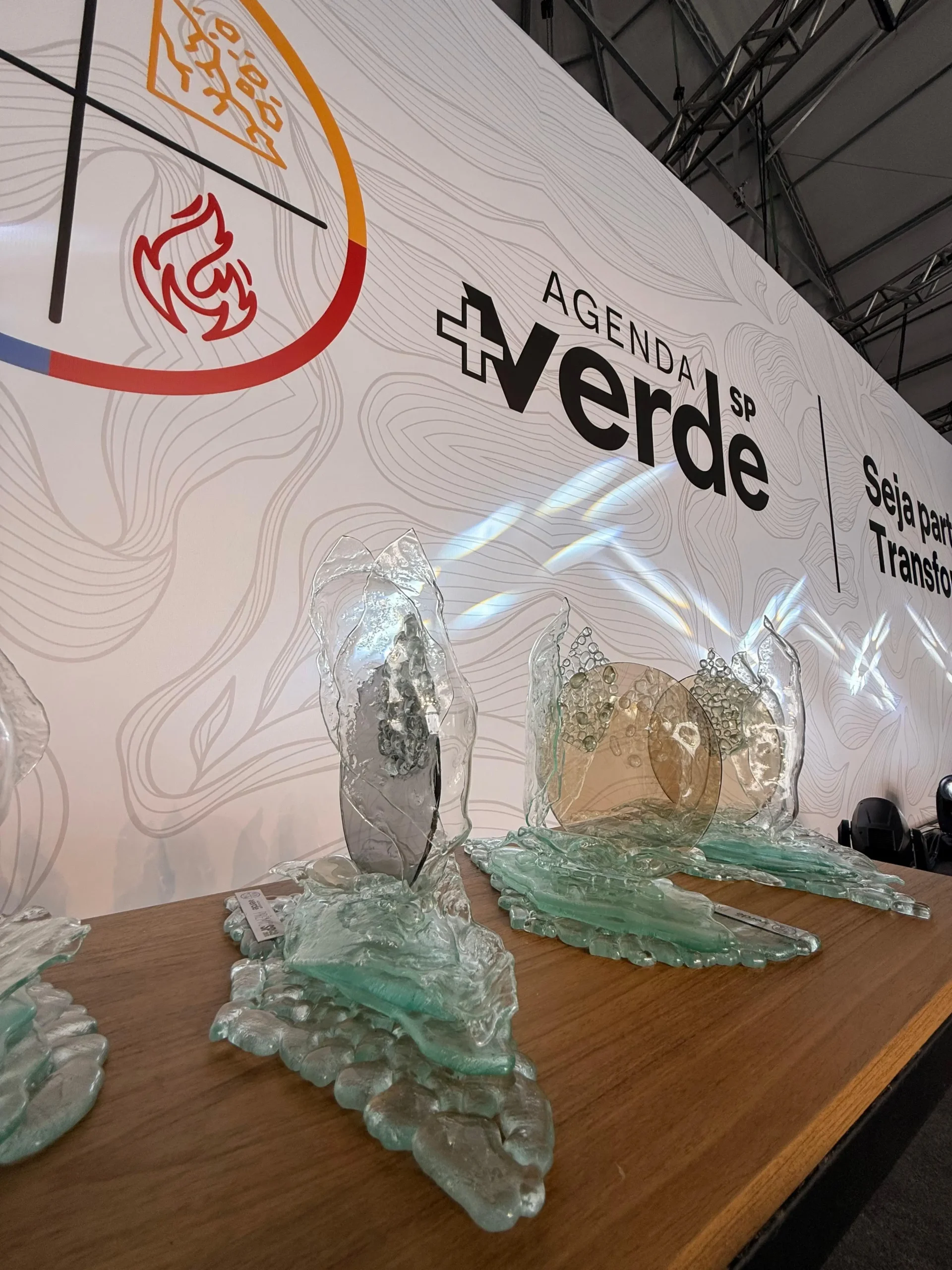
On the third day of the event, the sculptural trophy “Encantos da Catação” was presented — created in collaboration with the Paraisópolis Through Glass project, developed at the G10 Pavilion in the Paraisópolis, a favela in São Paulo.
The work honors waste pickers, recognizing their fundamental role in building the circular economy in Brazil. The trophy was awarded to companies and partners recognized as Friends of the Waste Picker and, in a historic gesture. Not the least, the President of Brazil, Luiz Inácio Lula da Silva received the prize, reinforcing institutional recognition of a profession historically invisible to society.

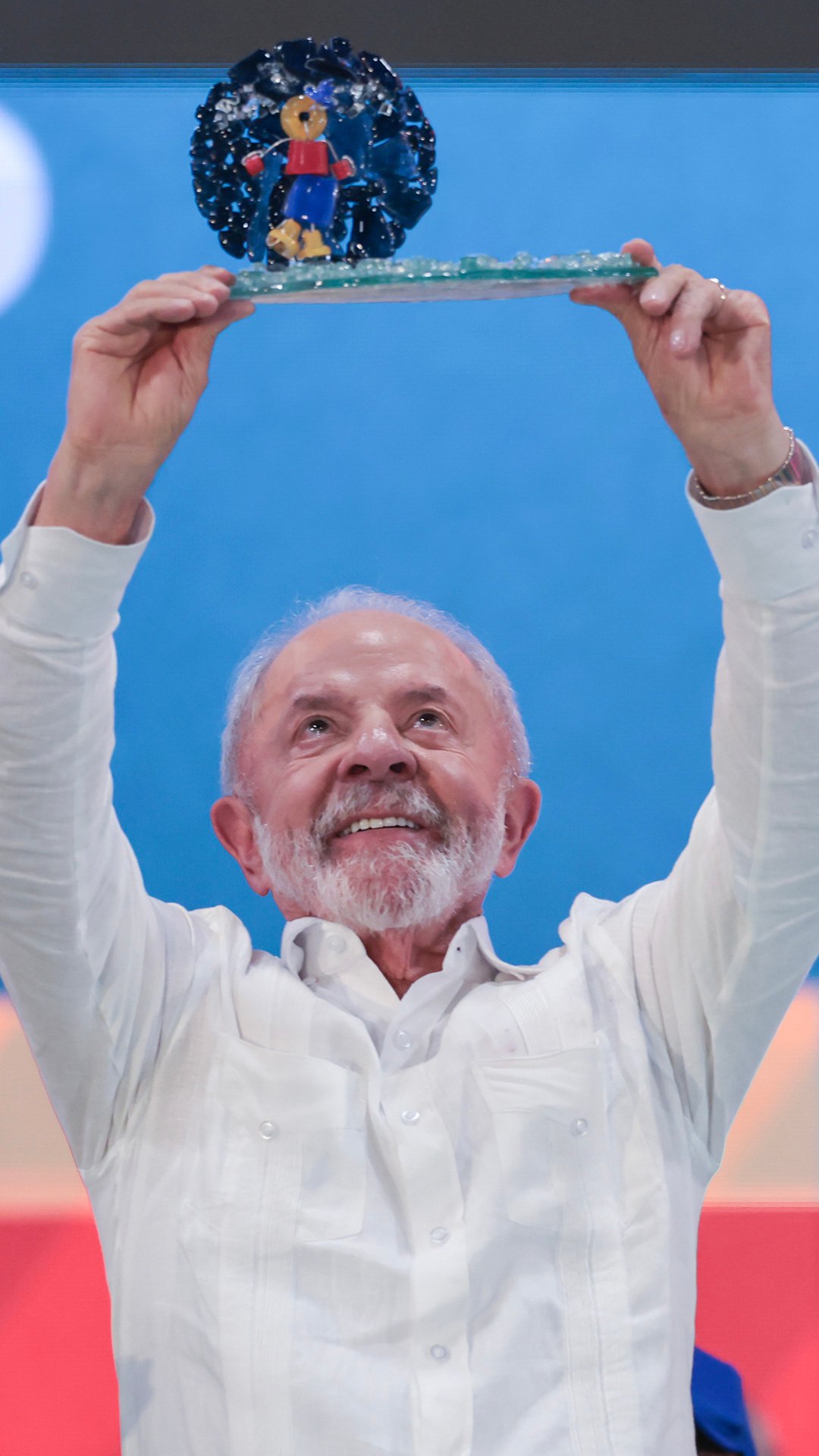
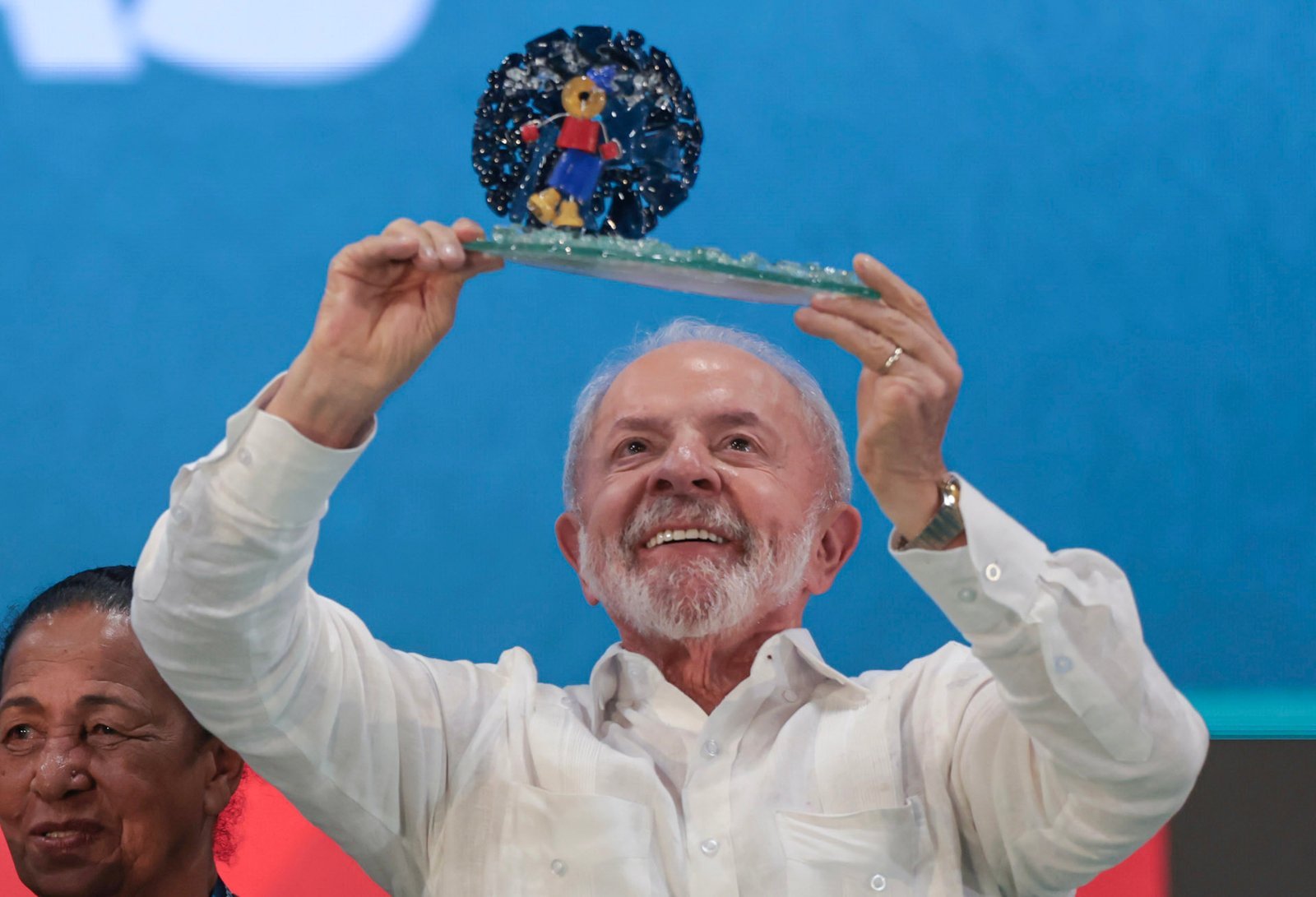
“I am deeply grateful to the waste pickers, cooperatives, partners, and everyone who believes that what has been discarded, carries potential, dignity and future. This work is a tribute to those who transform the world with their own hands.”
— Debora Muszkat
✦ November: Agenda SP+Verde, a pre-COP event
Art as a symbol of circularity
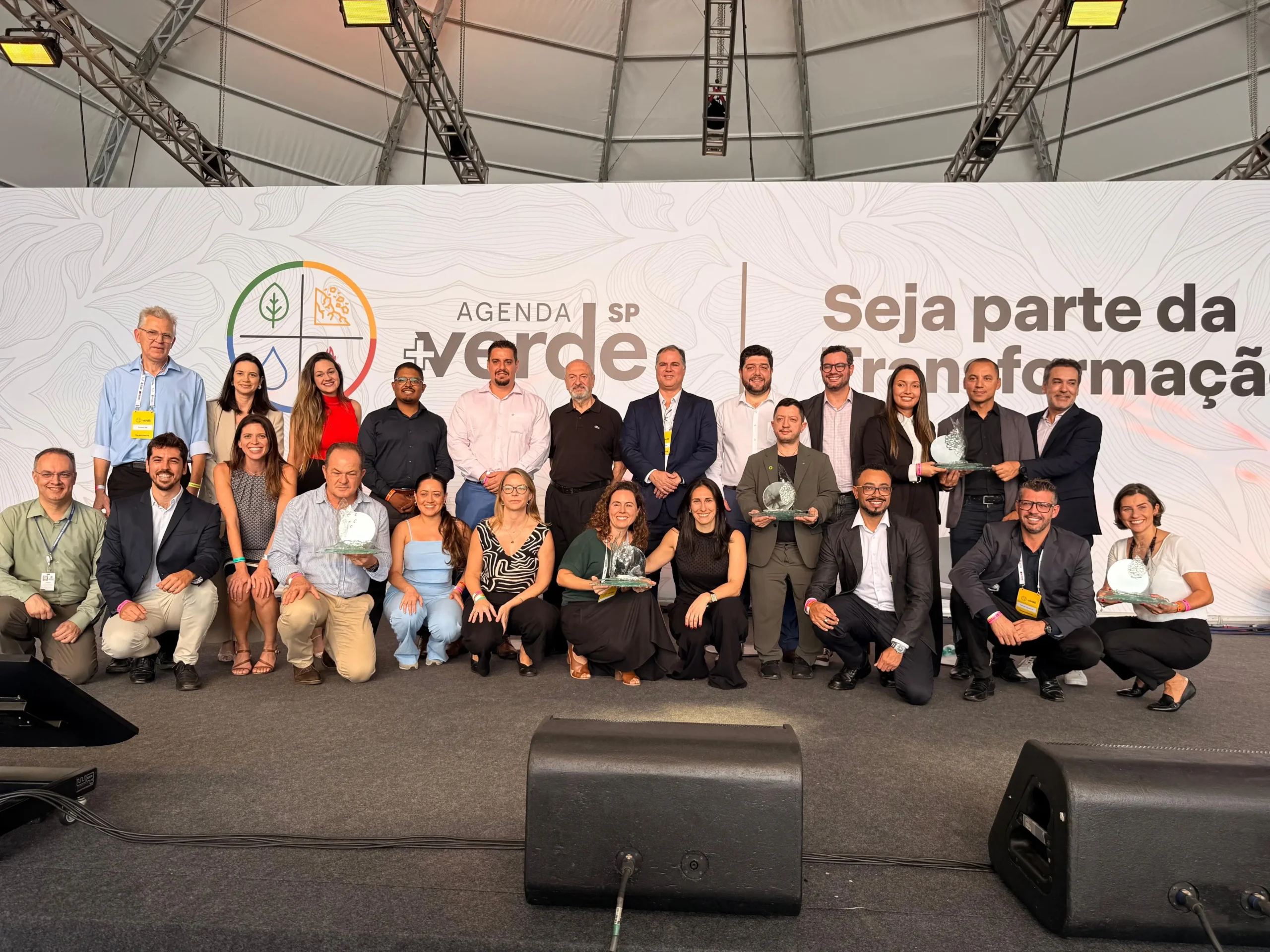
During the second day of the Summit Agenda SP+Verde, a pre-COP event held at Villa-Lobos Park, the Government of the State of São Paulo announced the winners of the SP Carbon Zero Award 2025, recognizing initiatives focused on ecological restoration, energy efficiency, environmental education and technological innovation.
154 projects was submitted and representatives from companies, civil society organizations, and public institutions attended the ceremony, which featured the presence of Natália Resende, Fernando Padula, and José Renato Nalini. The ceremony was hosted by journalist Glória Vanique.
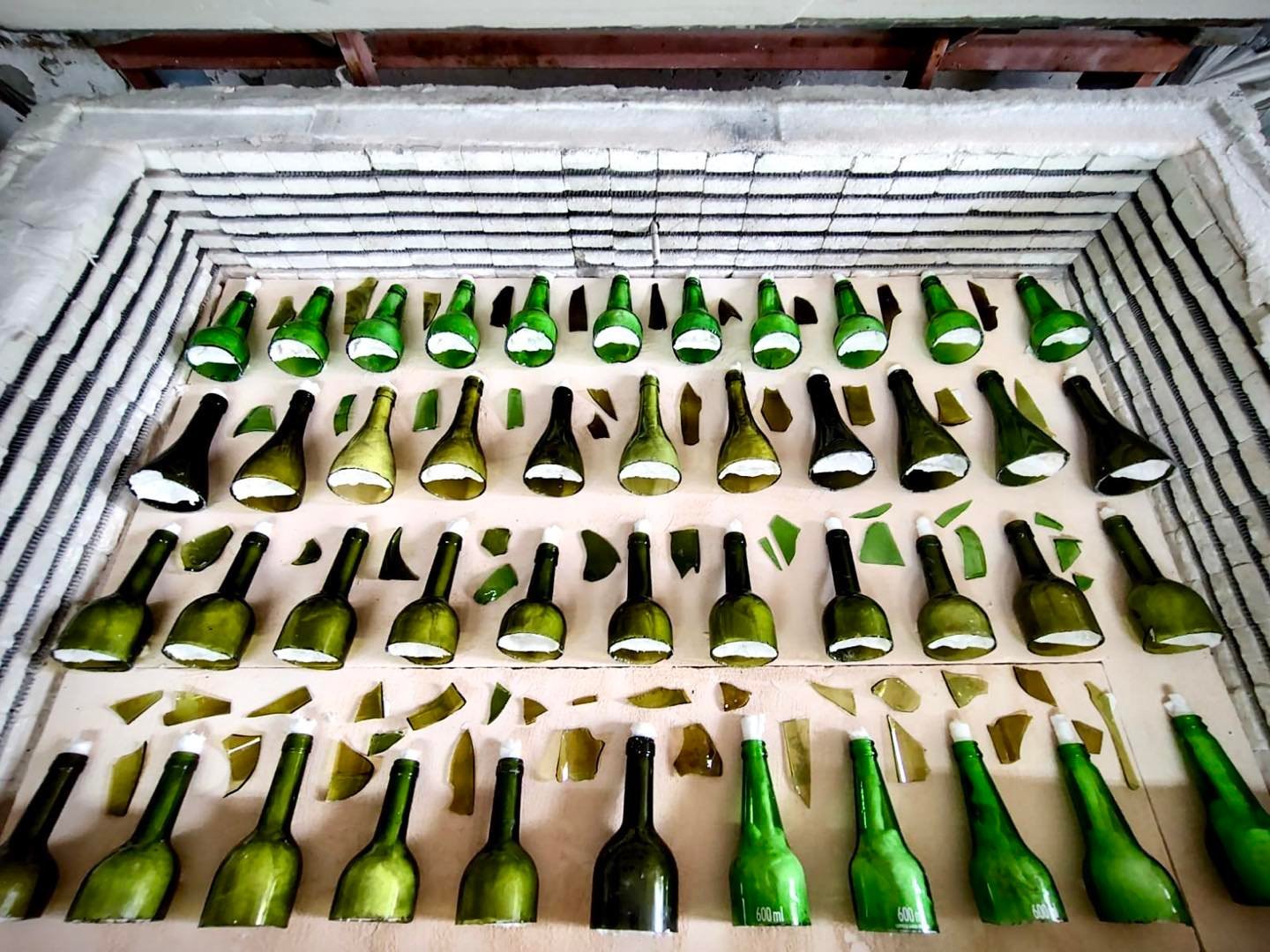
The trophies awarded to the winners were designed by Debora and produced in the Paraisópolis community, transforming glass waste into unique pieces and symbolically reinforcing the concept of circularity that guided the entire award.
Circular Awareness Workshop – Glass as Art and Transformation
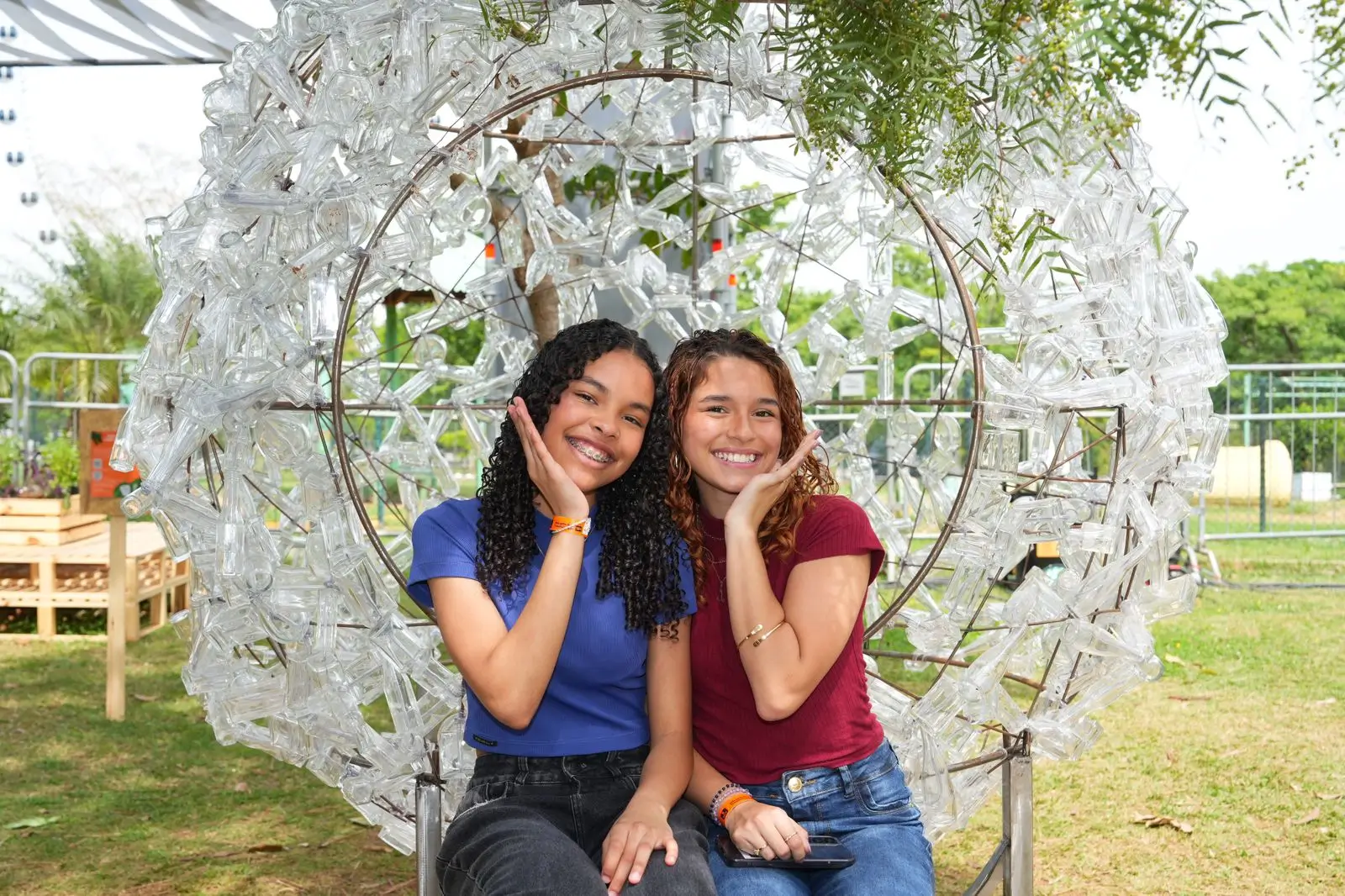
On November 4, 2025, during the pre-COP events in São Paulo, the SP+Verde Agenda hosted the workshop “Circular Awareness – Glass as Art and Transformation.”
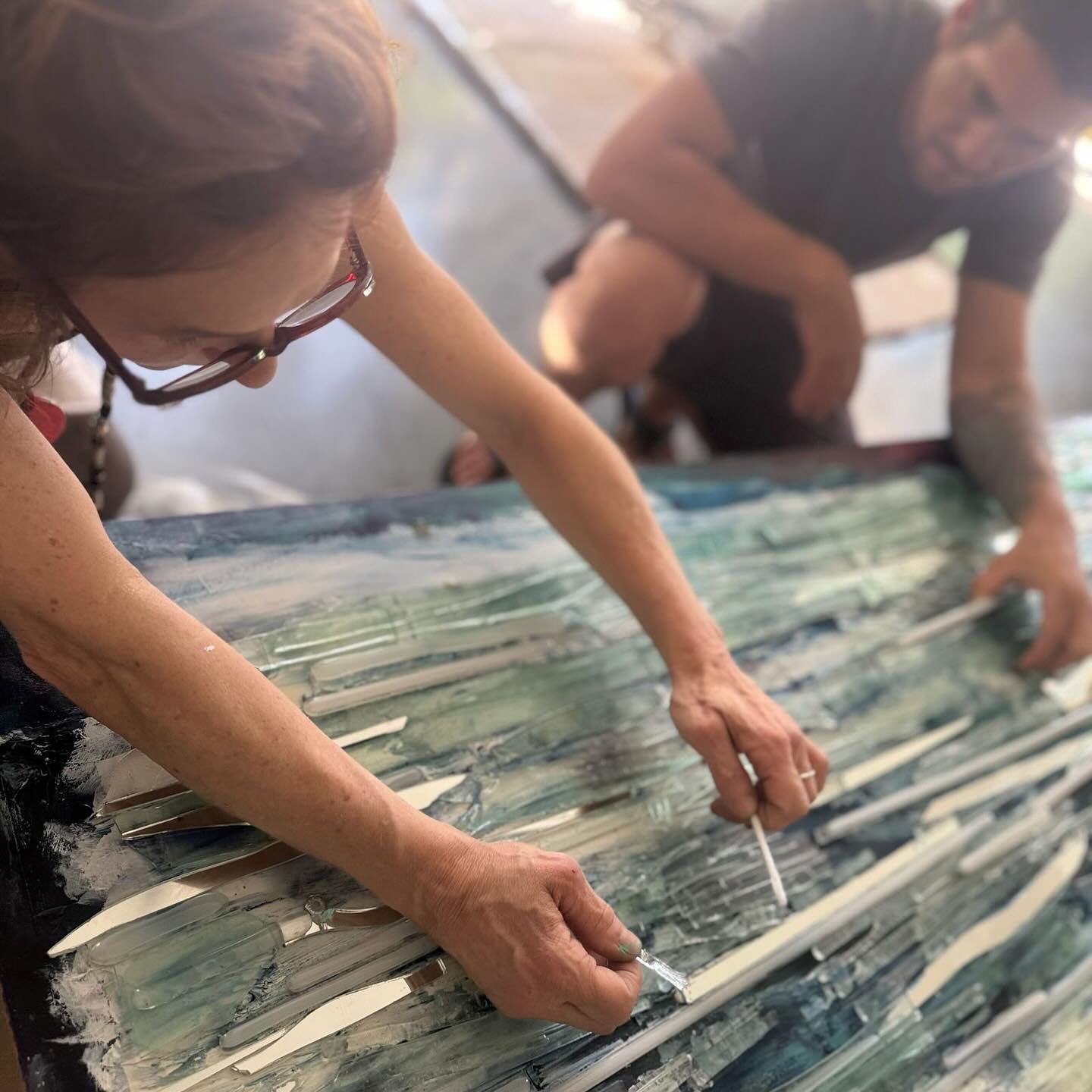
Participants were invited to create their own artworks using glass waste, re-signifying the material into original, authorial pieces. Facilitated by Sueli Oliveira, the workshop offered a playful yet profound experience, connecting cognitive processes, human development, and the principles of the circular economy.
The workshop was made possible with the support of partners such as Divinal Vidros, Movimento Circular, Zeros, and SEMIL.
✦ March to November: Exhibition tour at SESI
Reflections of the Unimaginable: Through Glass, Everything Happens
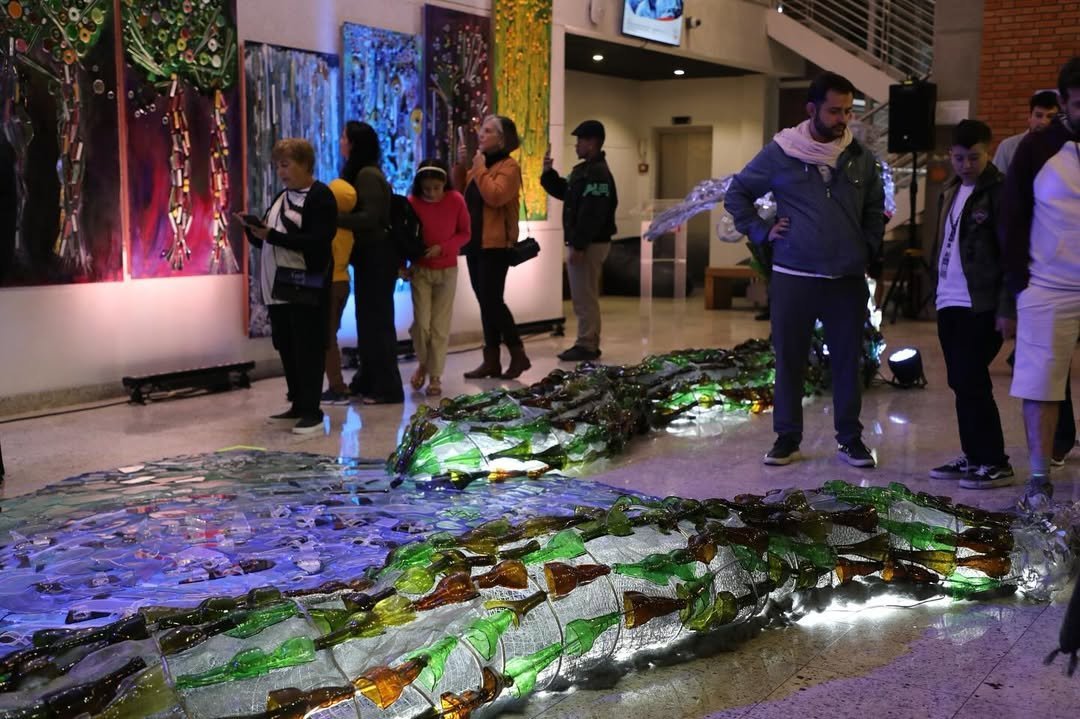
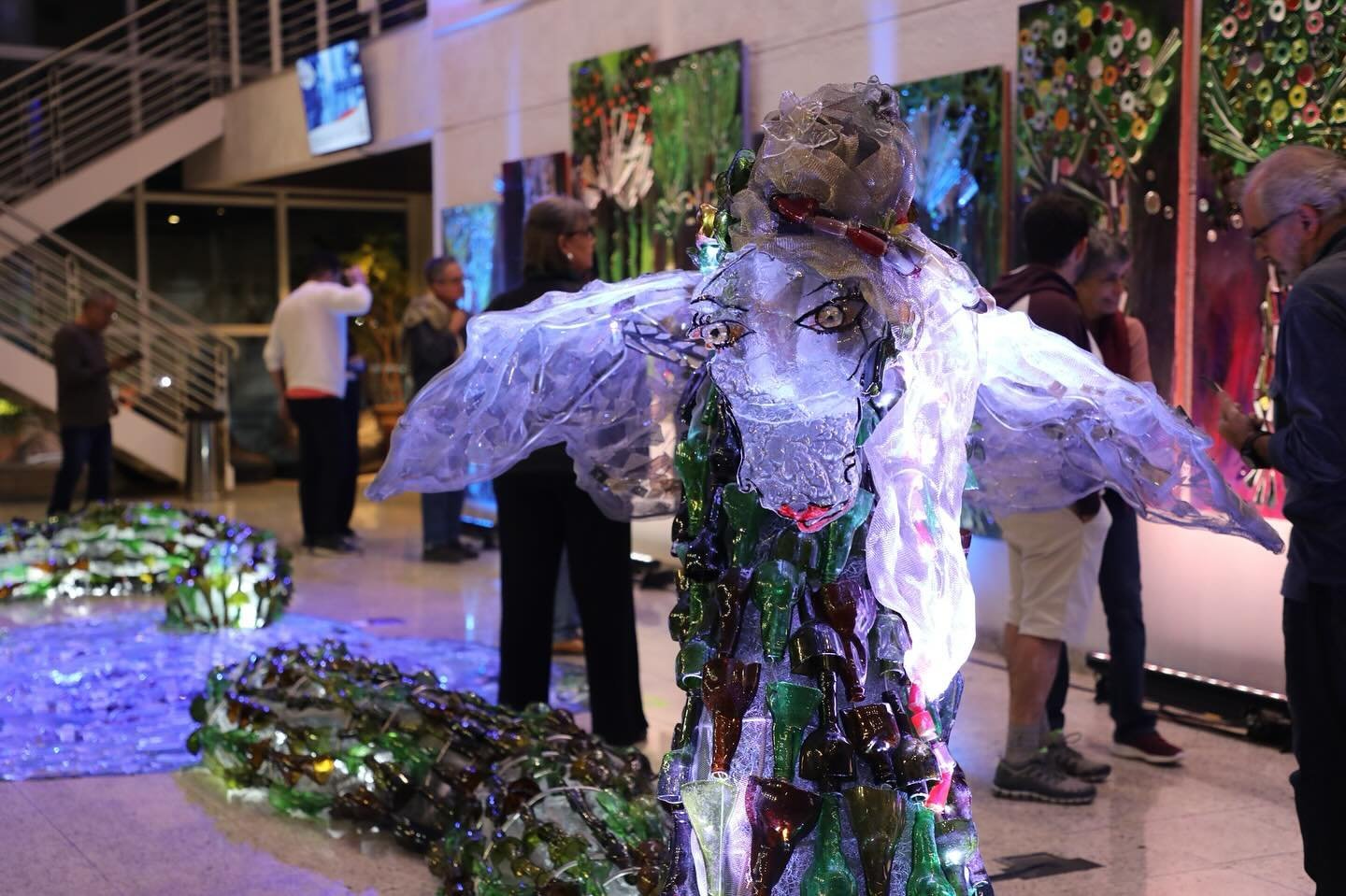
The exhibition “Reflections of the Unimaginable: Through Glass, Everything Happens” opened at SESI Itapetininga on March 28, 2025, inaugurating a touring cycle across the state of São Paulo.
Created from reused glass, the works address urgent themes such as environmental preservation, recycling, sustainability, circular economy, and the strengthening of popular culture and folklore. The exhibition was produced and coordinated by Doppio Cultural, with curatorship by Diego Mauro.
Tour schedule:
SESI Itapetininga — March 28 to June 1, 2025
SESI Cultural Center Campinas — June 7 to August 31, 2025
SESI Cultural Center São José do Rio Preto — September 6 to November 30, 2025
A question echoed throughout the journey:
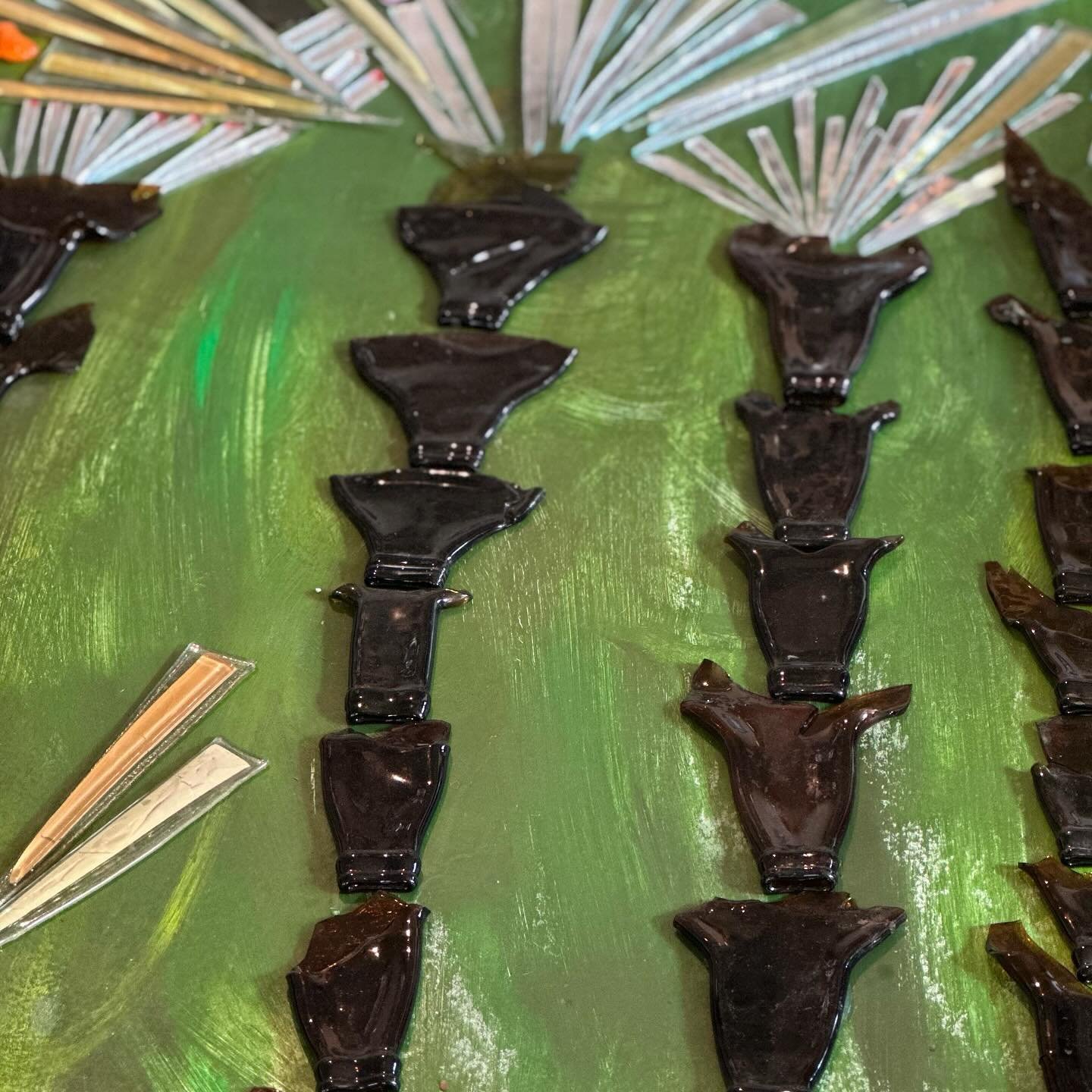
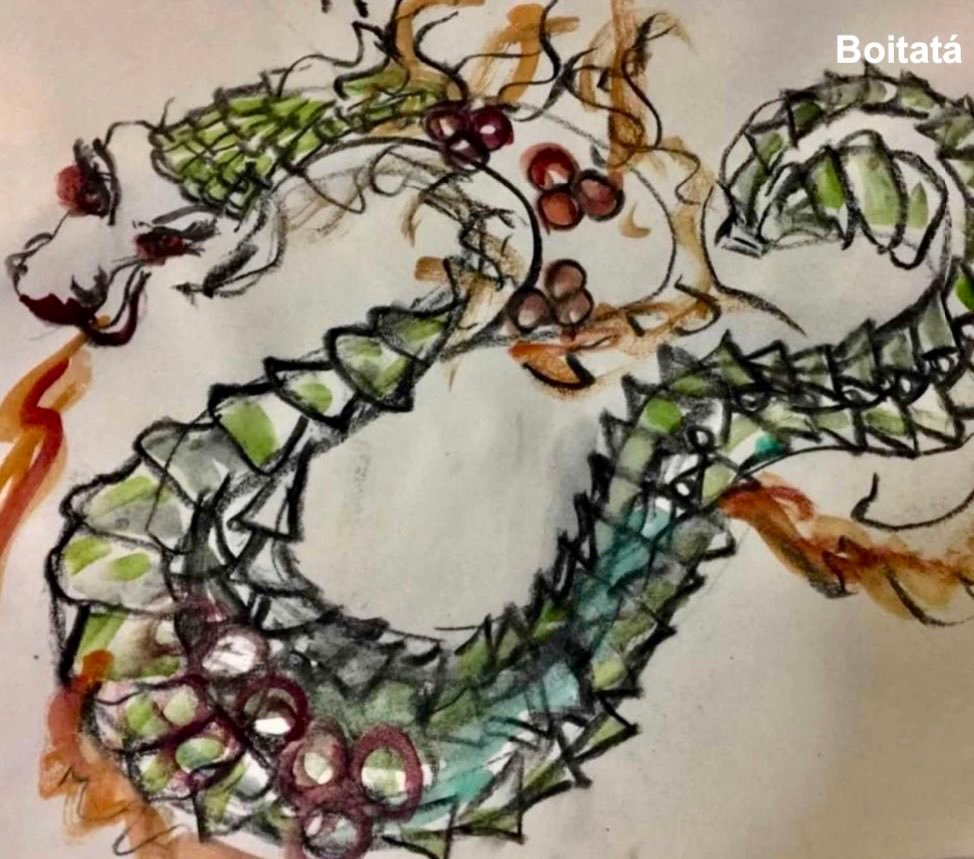
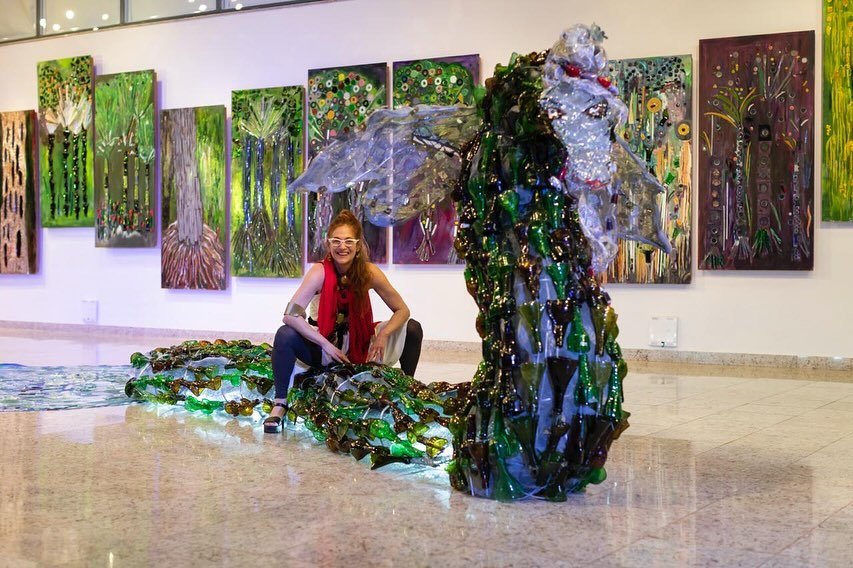
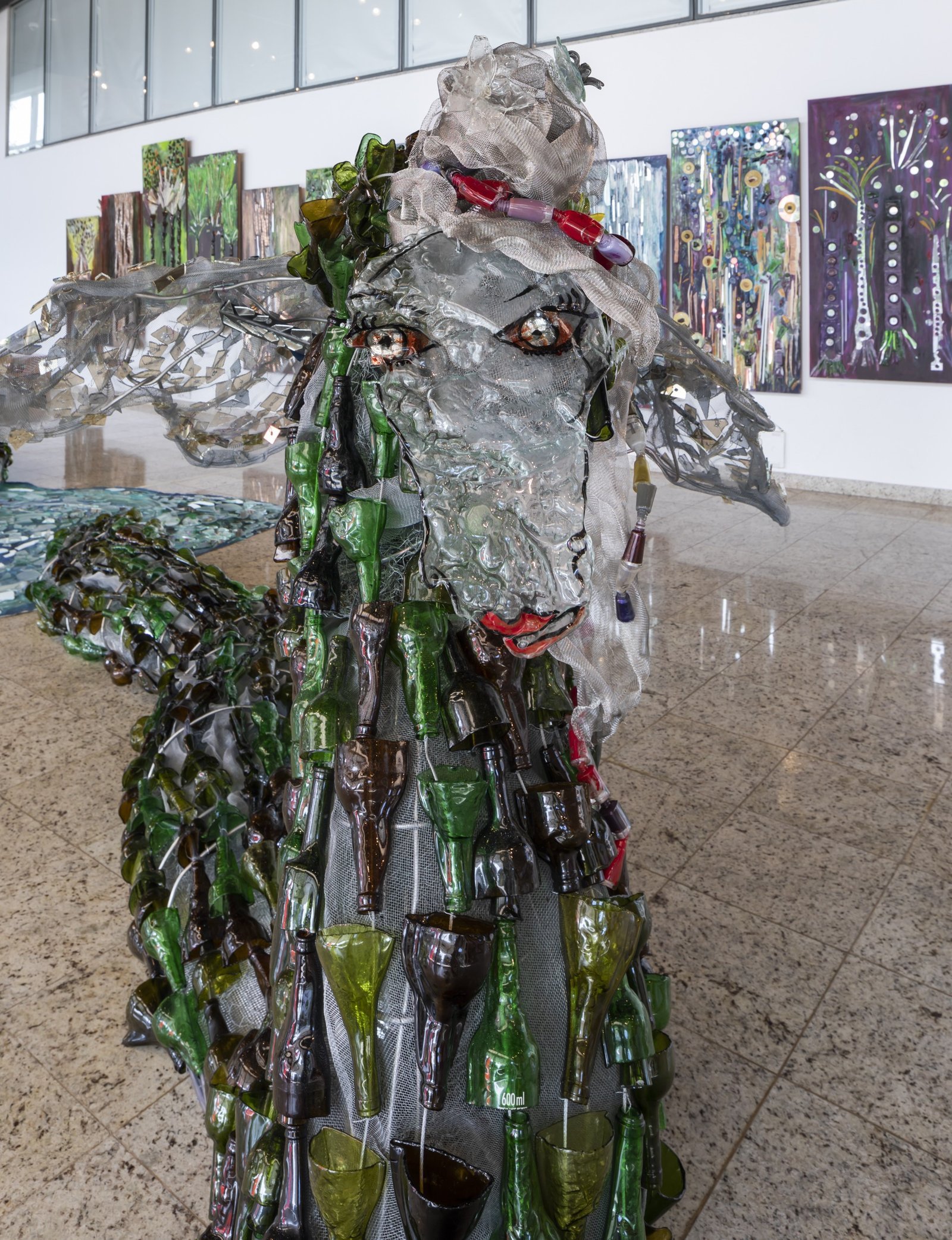
Is it unimaginable to embrace the forest through glass?
✦ May: World Circular Economy Forum (WCEF) 2025
Through Glass, Life Circulates
From May 13th to 16th, 2025, São Paulo hosted — for the first time in Latin America — the World Circular Economy Forum, held at the OCA, in Ibirapuera Park.
On this occasion, Debora Muszkat presented the exhibition “Through Glass, Life Circulates”, bringing together works made from recycled glass that propose new perspectives on consumption, disposal and regeneration. The participation reinforced the dialogue between contemporary art and circular economy within one of the world’s most relevant forums on the subject.
In the second video below, the leader of the waste pickers reminds them that before the artwork was created, this material passed through the hands of their community:
✦ May: Bienal do Lixo 2025
Reflections of the Unspeakable
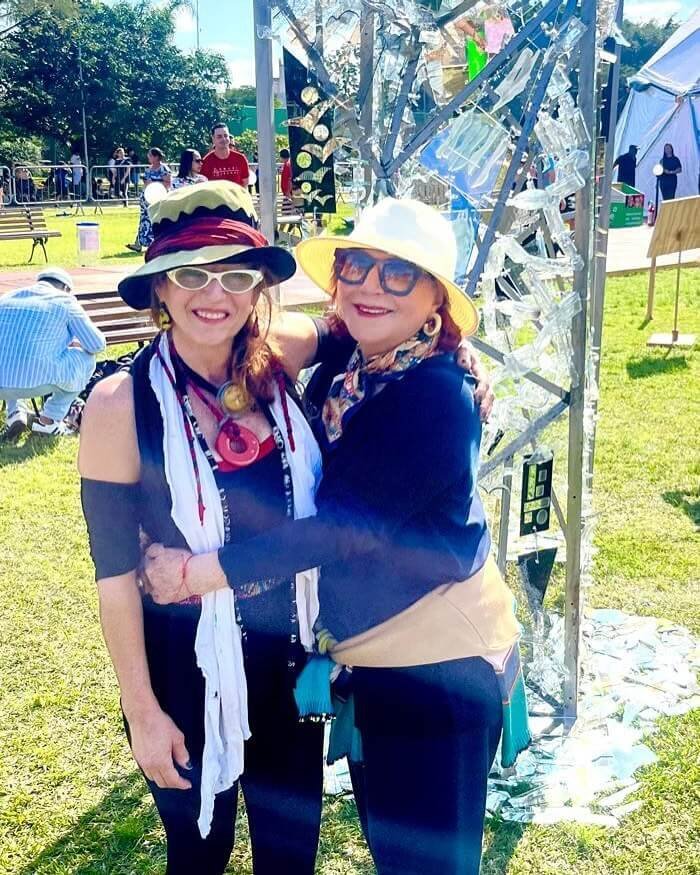
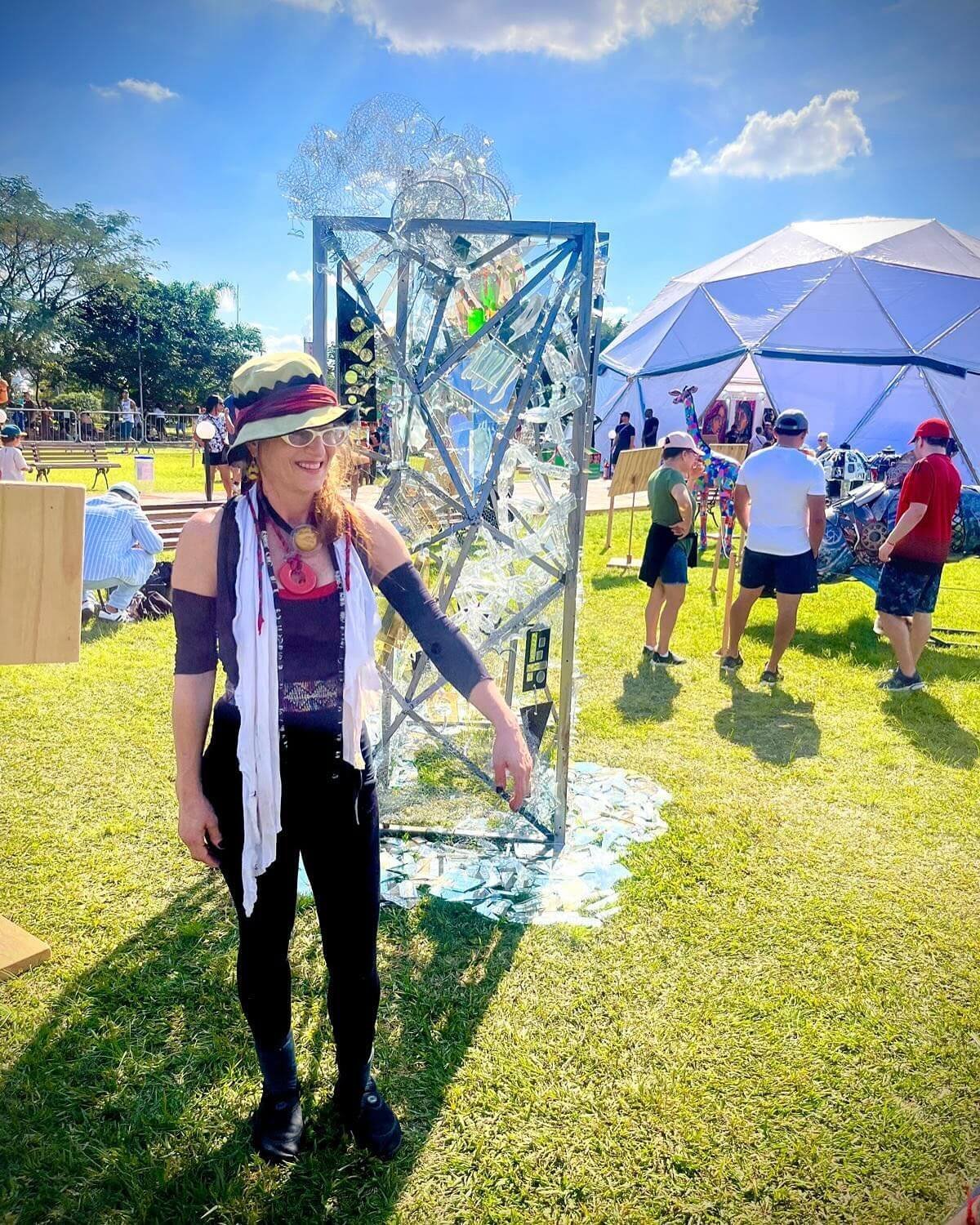
In May 2025, Debora took part in the Bienal do Lixo, held at Villa-Lobos Park in São Paulo — an event that brings together art, education, and sustainability, promoting discussions on waste, consumption, and collective responsibility.
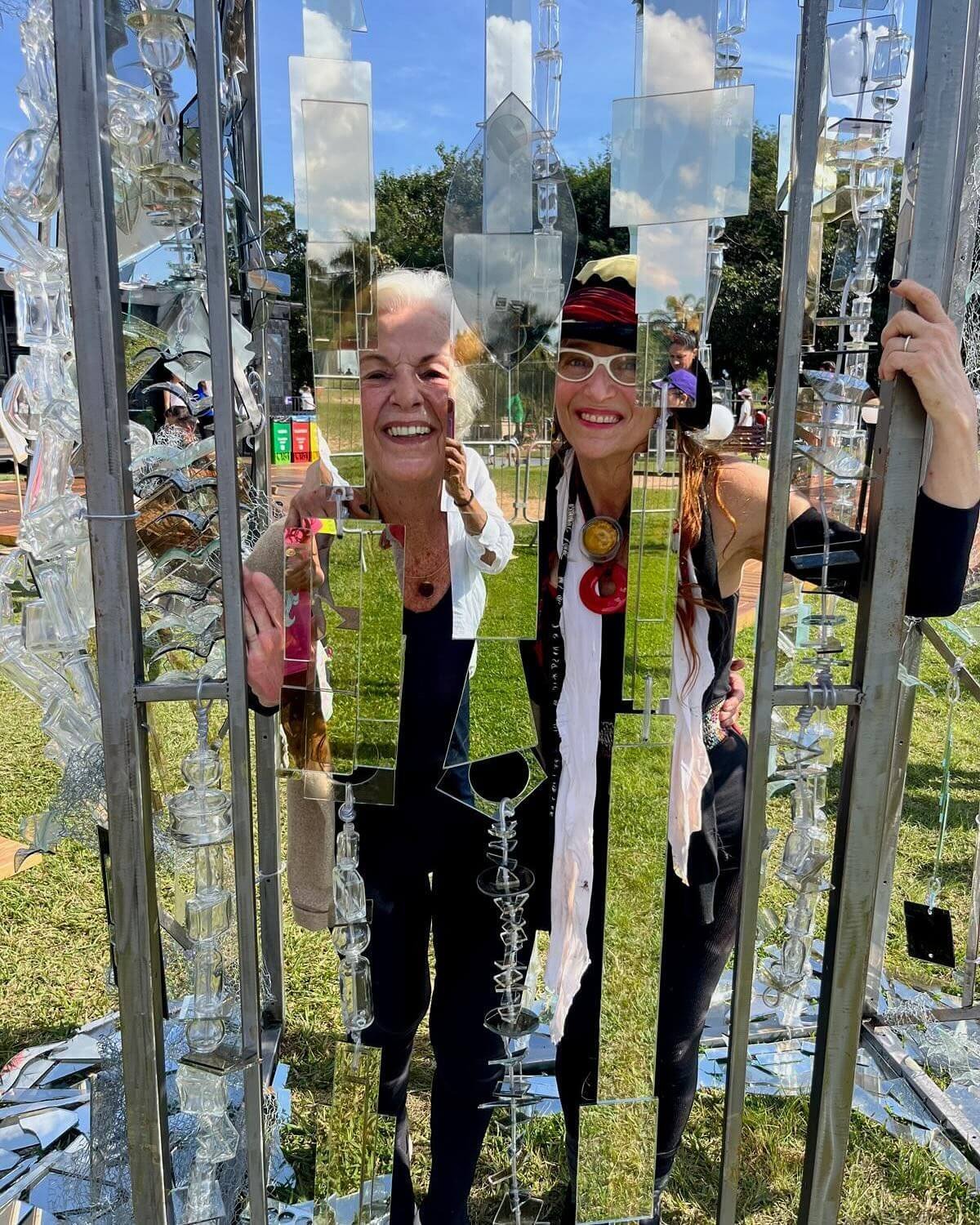
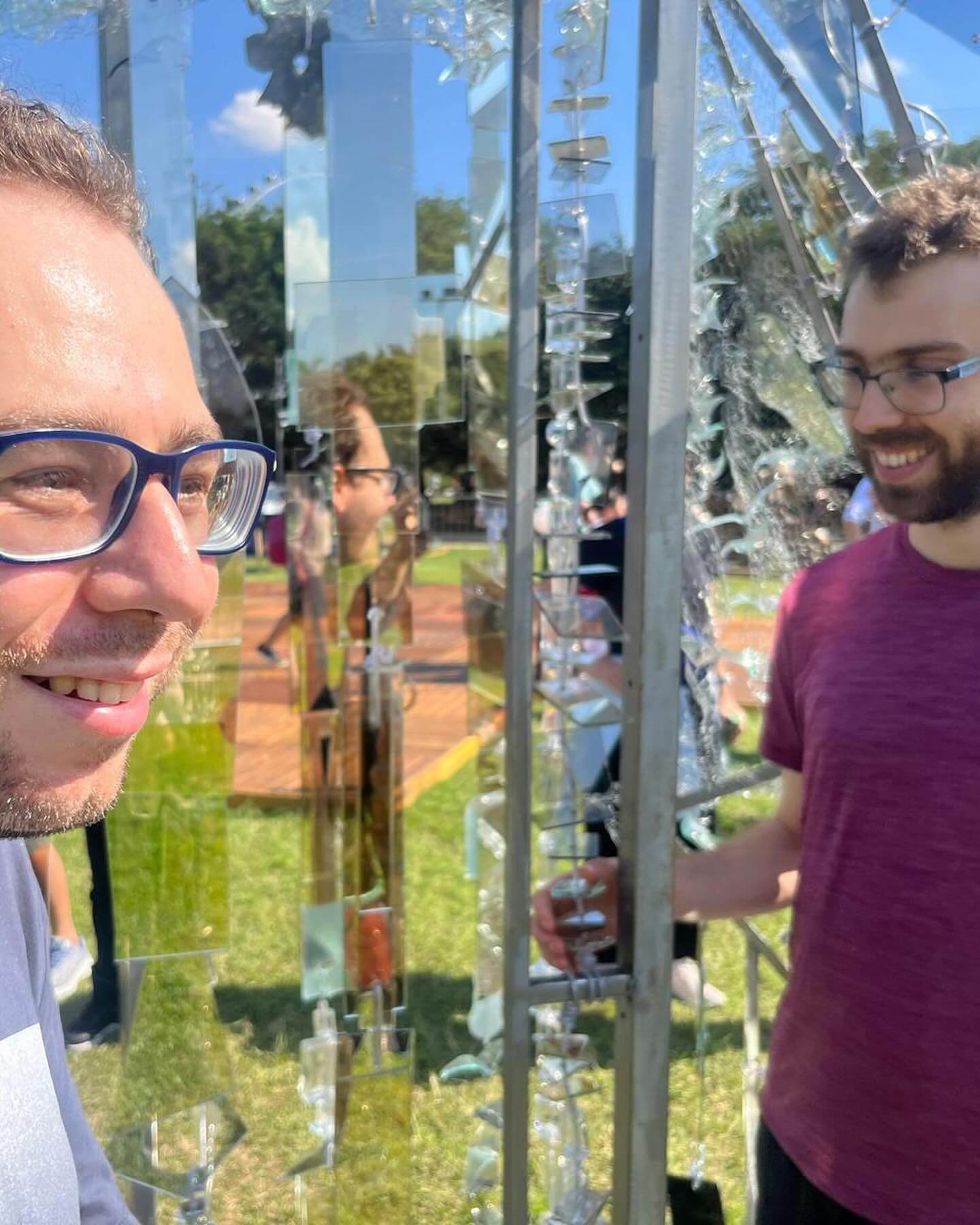
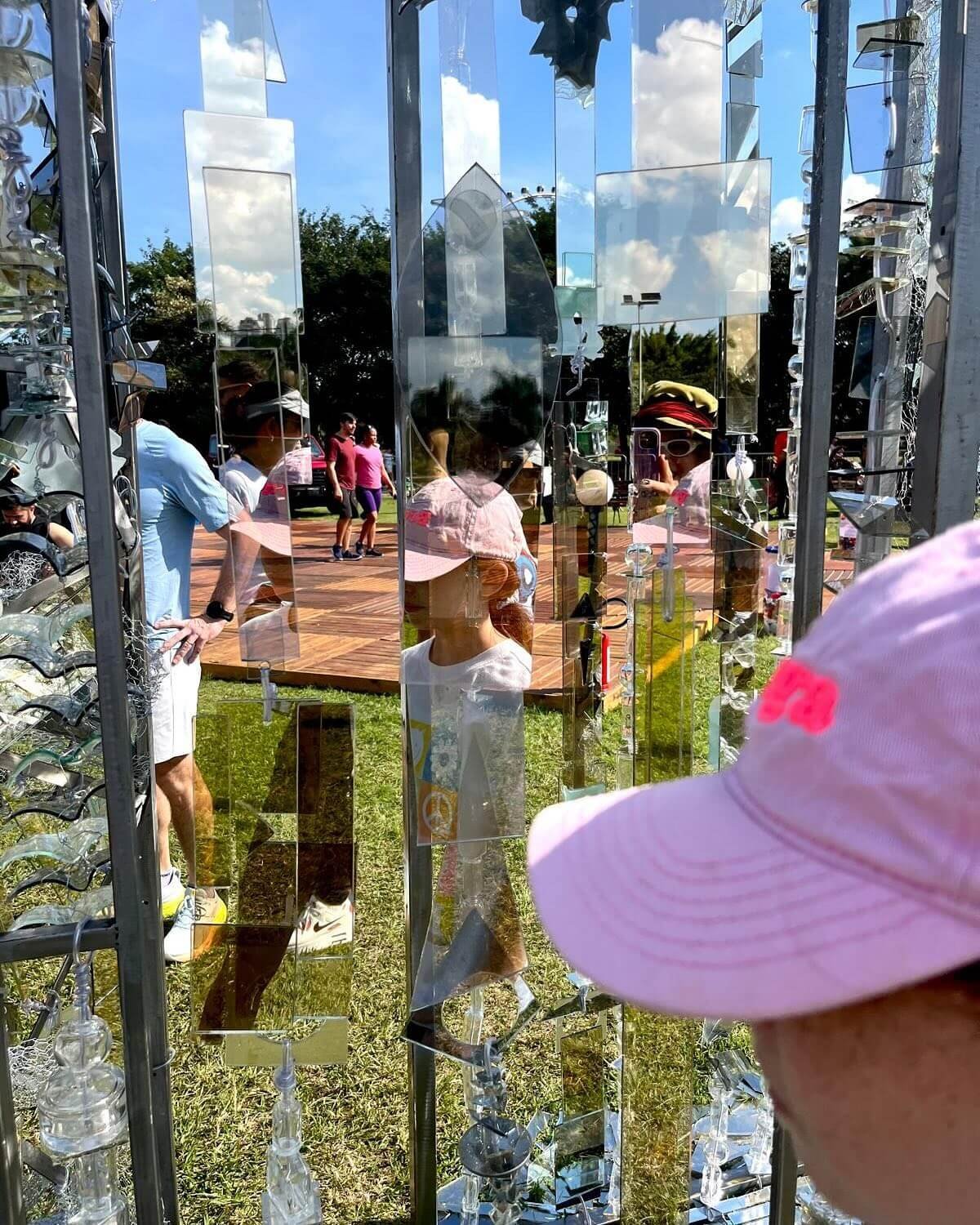
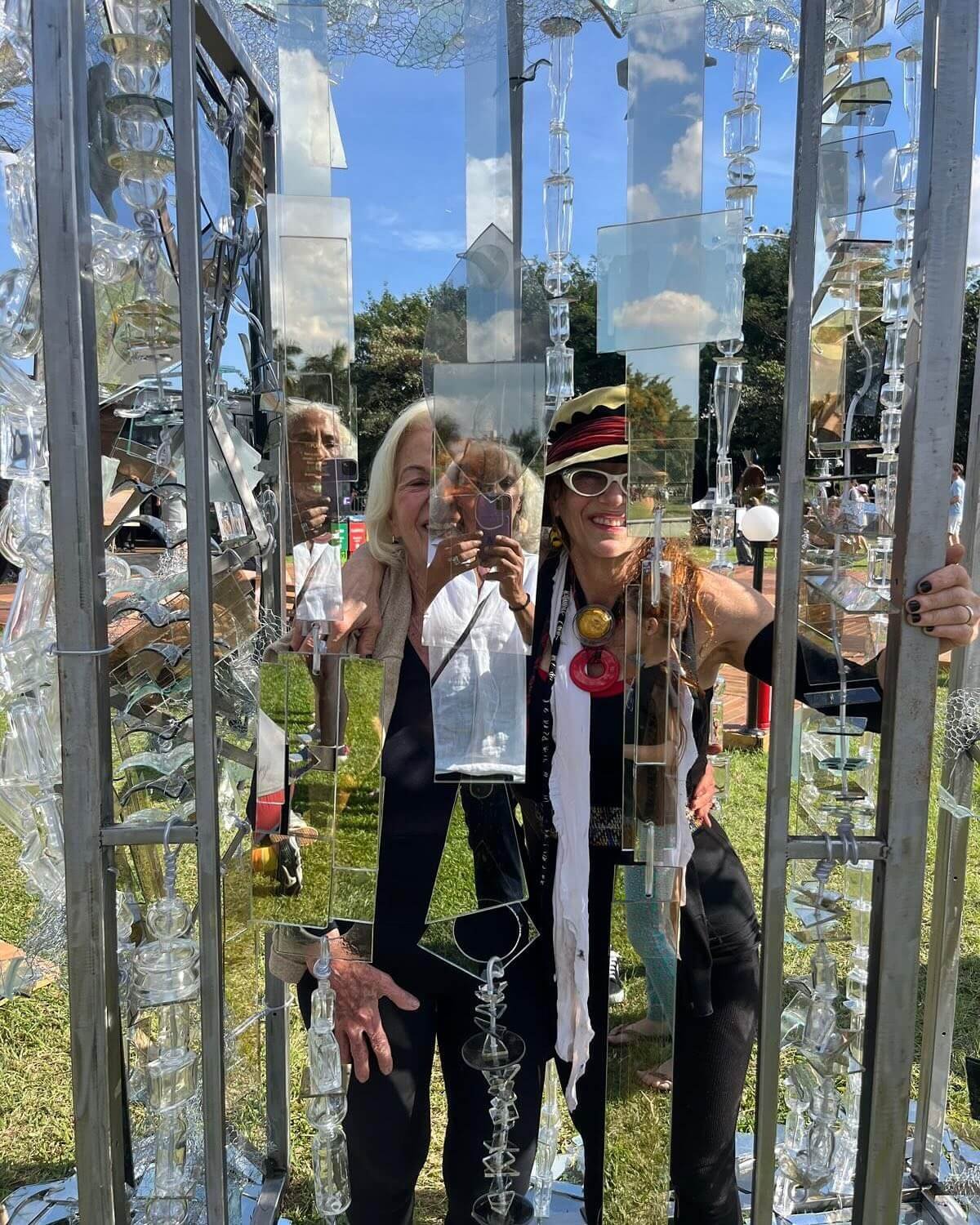
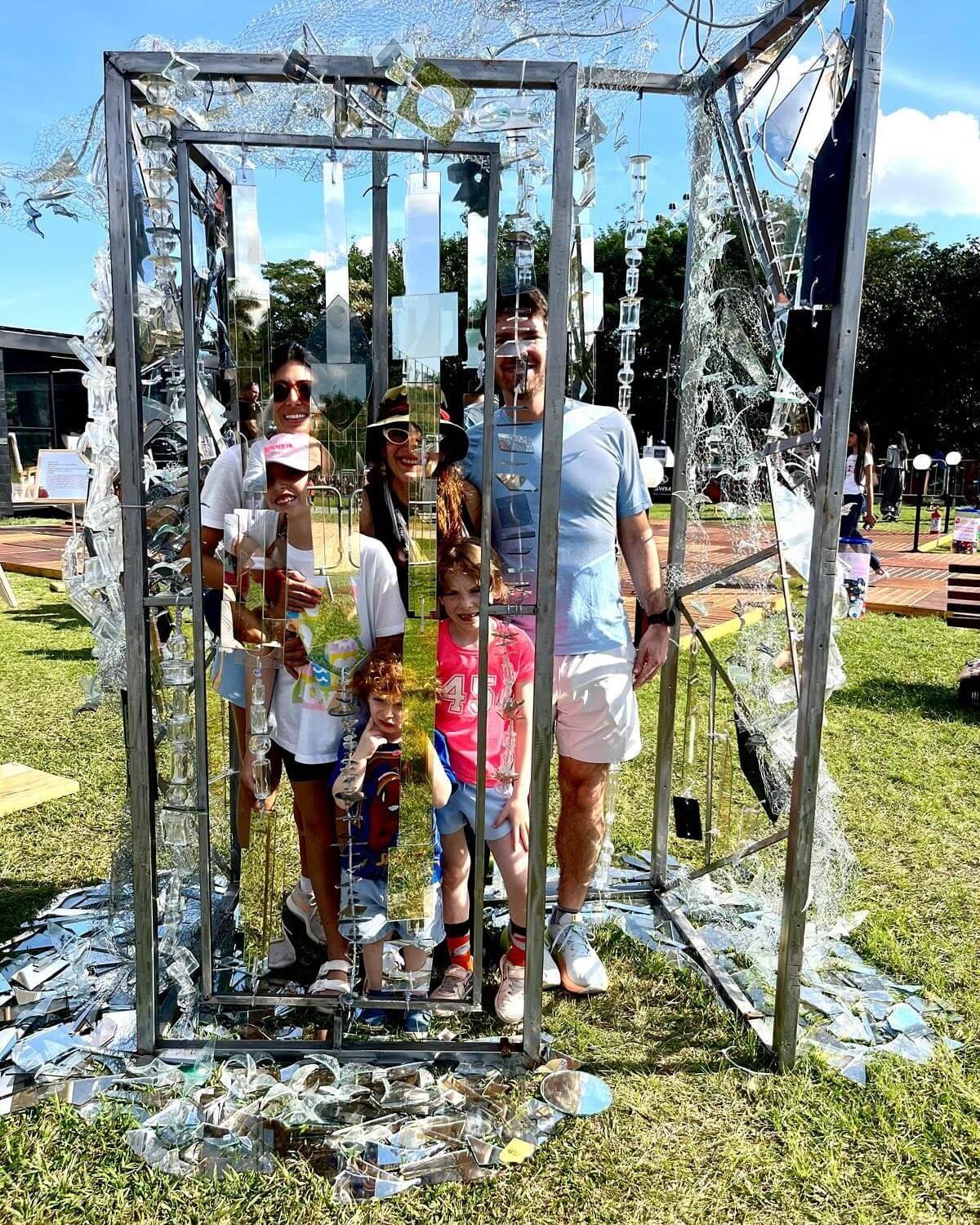
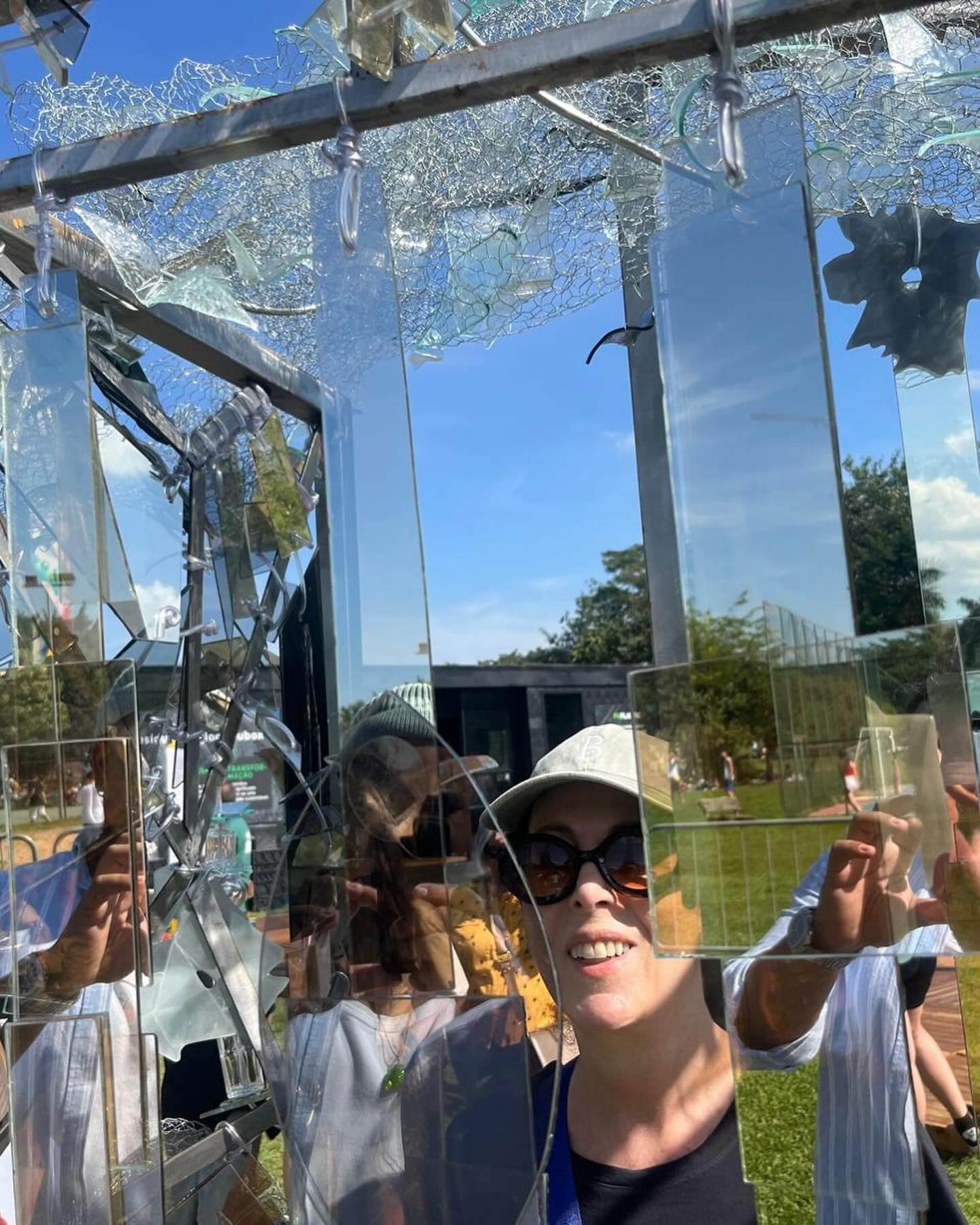
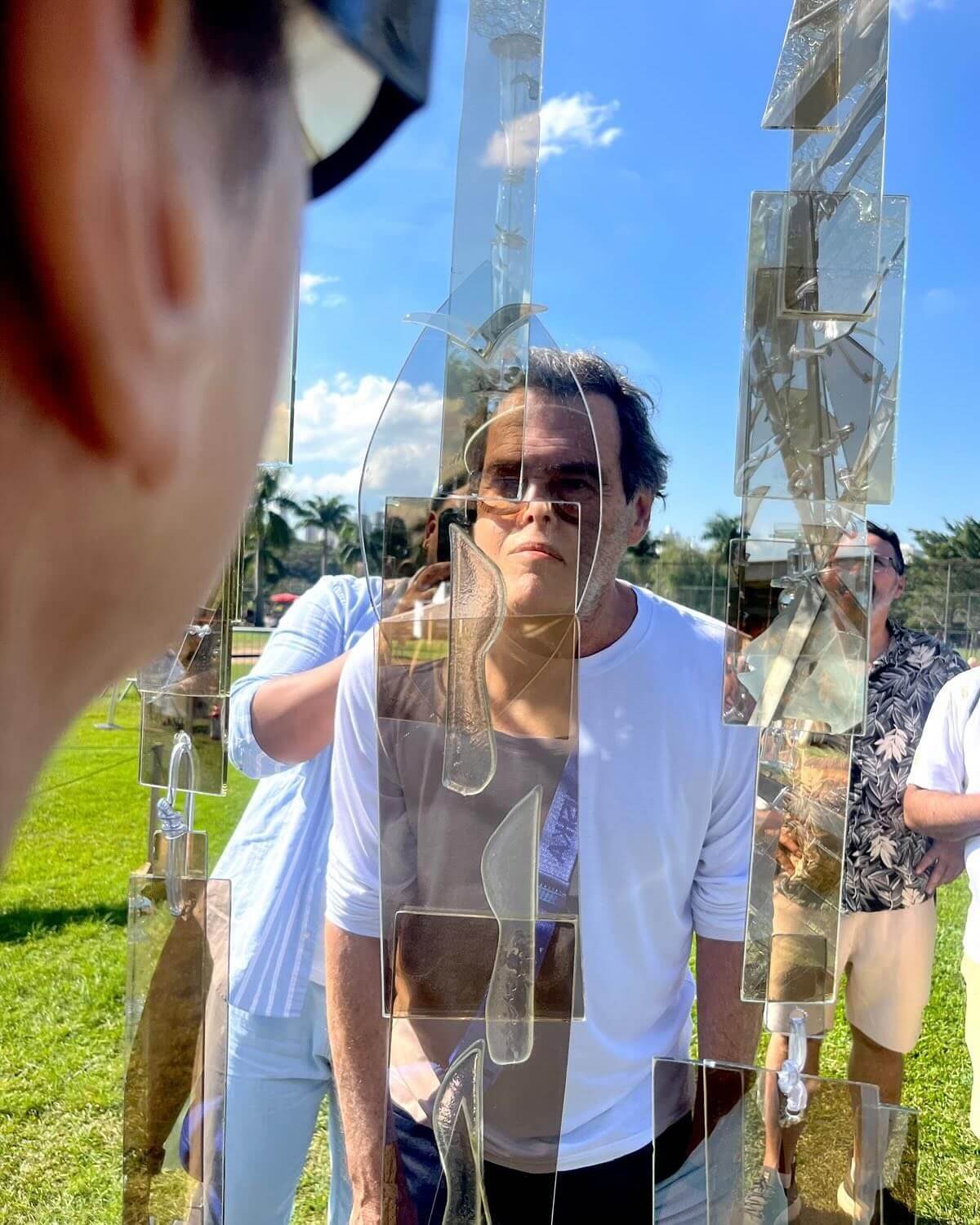
During the opening of the 2nd Bienal do Lixo, I presented the installation “Reflections of the Unspeakable”, composed of reflective glass surfaces that invite the audience to confront the theme of waste and excess through their own image. The work proposes a sensitive pause: to look at what we discard — and, above all, at the relationship we build with what we choose not to see.
The event also marked the launch of the book “Mission Zero Waste”, by Cadu Pacheco, reinforcing the convergence between art, environmental education, and practical action. In addition to the exhibition, she participated in dialogue panels and led workshops, sharing her long-standing work with recycling — begun in the 1980s — and reaffirming art as a tool for awareness, transformation, and future-building.
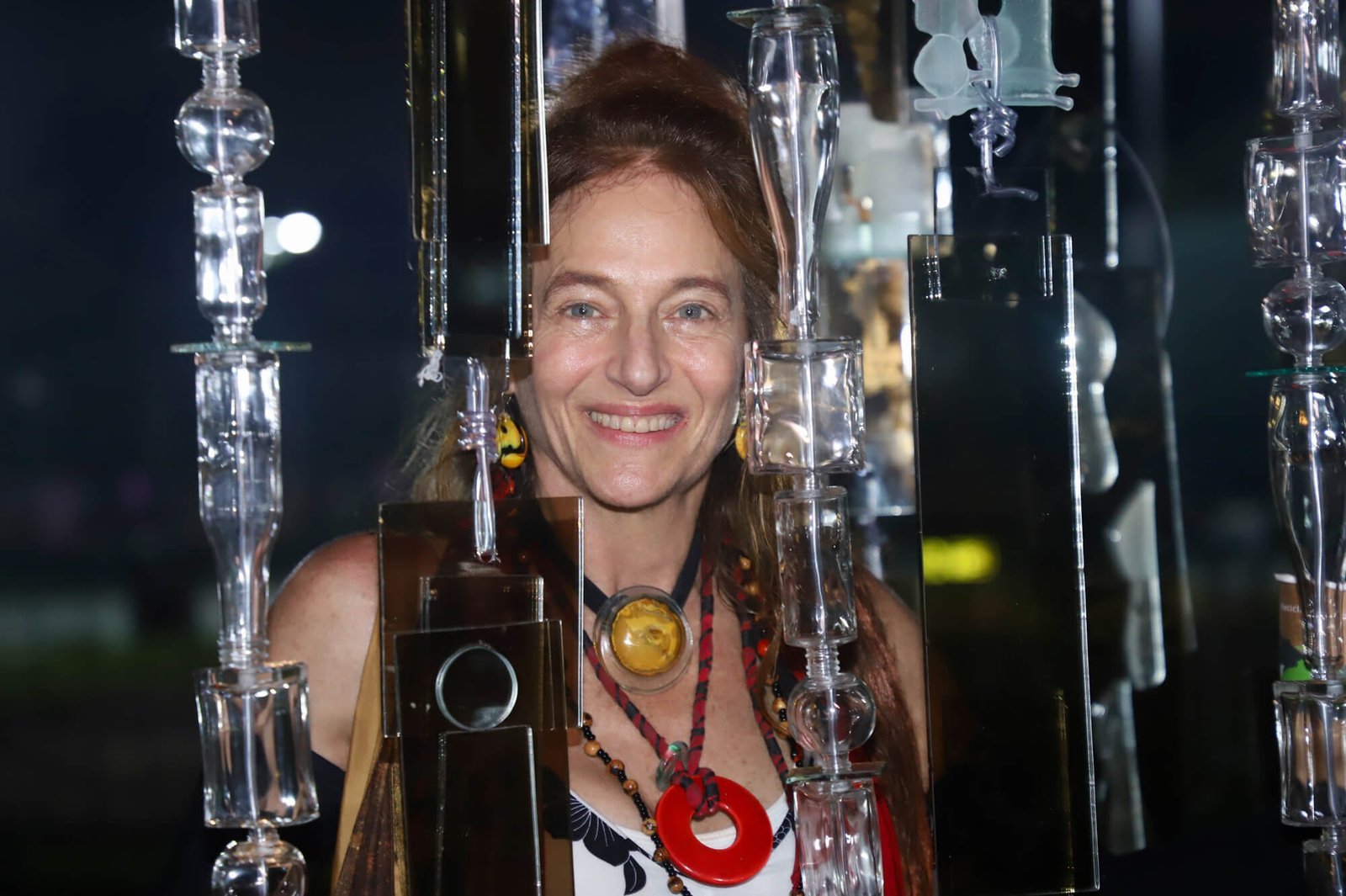
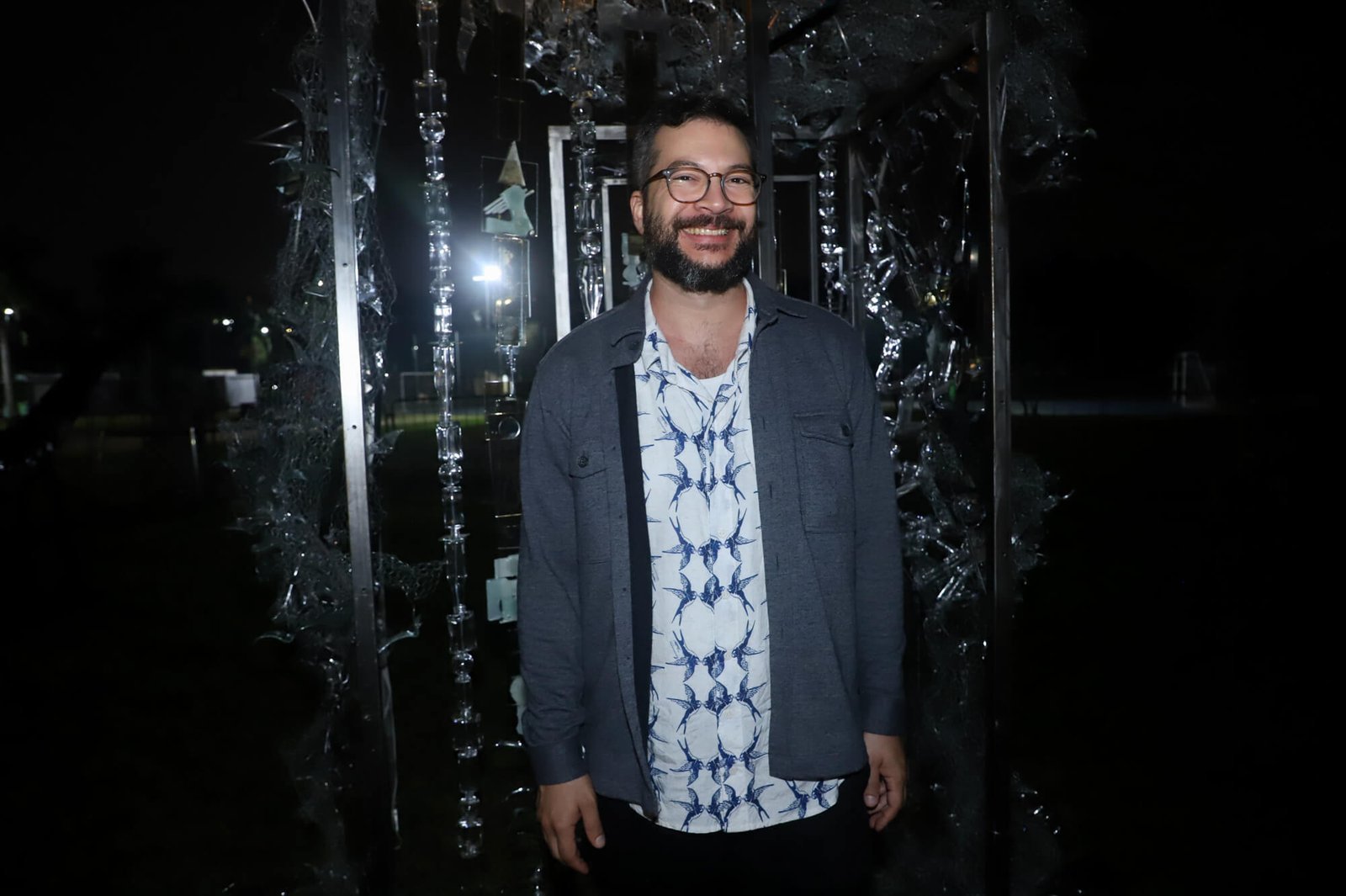
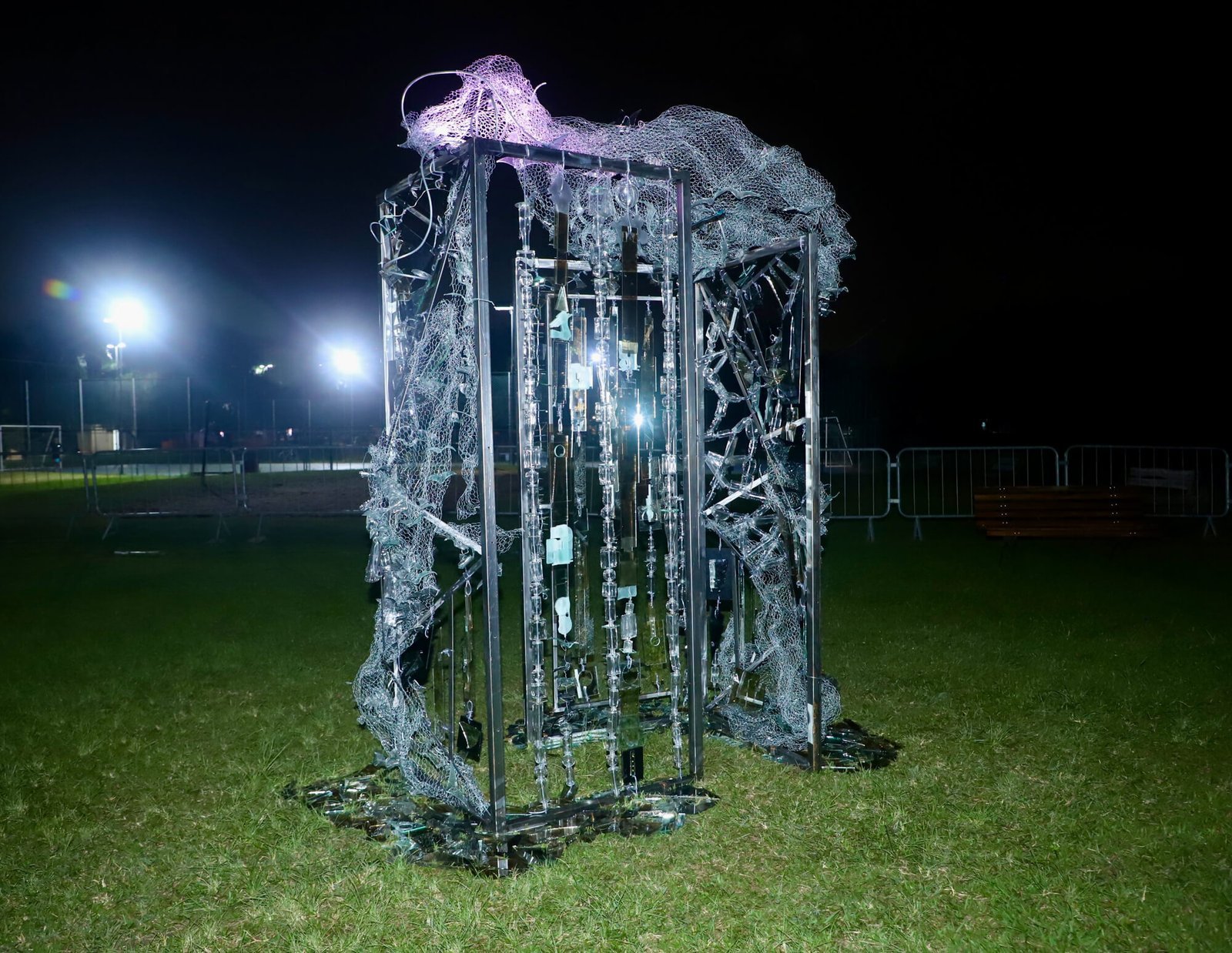
2025 was shaped by glass, encounters, and transformation. We move forward — because through glass, the future is already under construction.
✦ September: 17th Edition of Paraisópolis Week
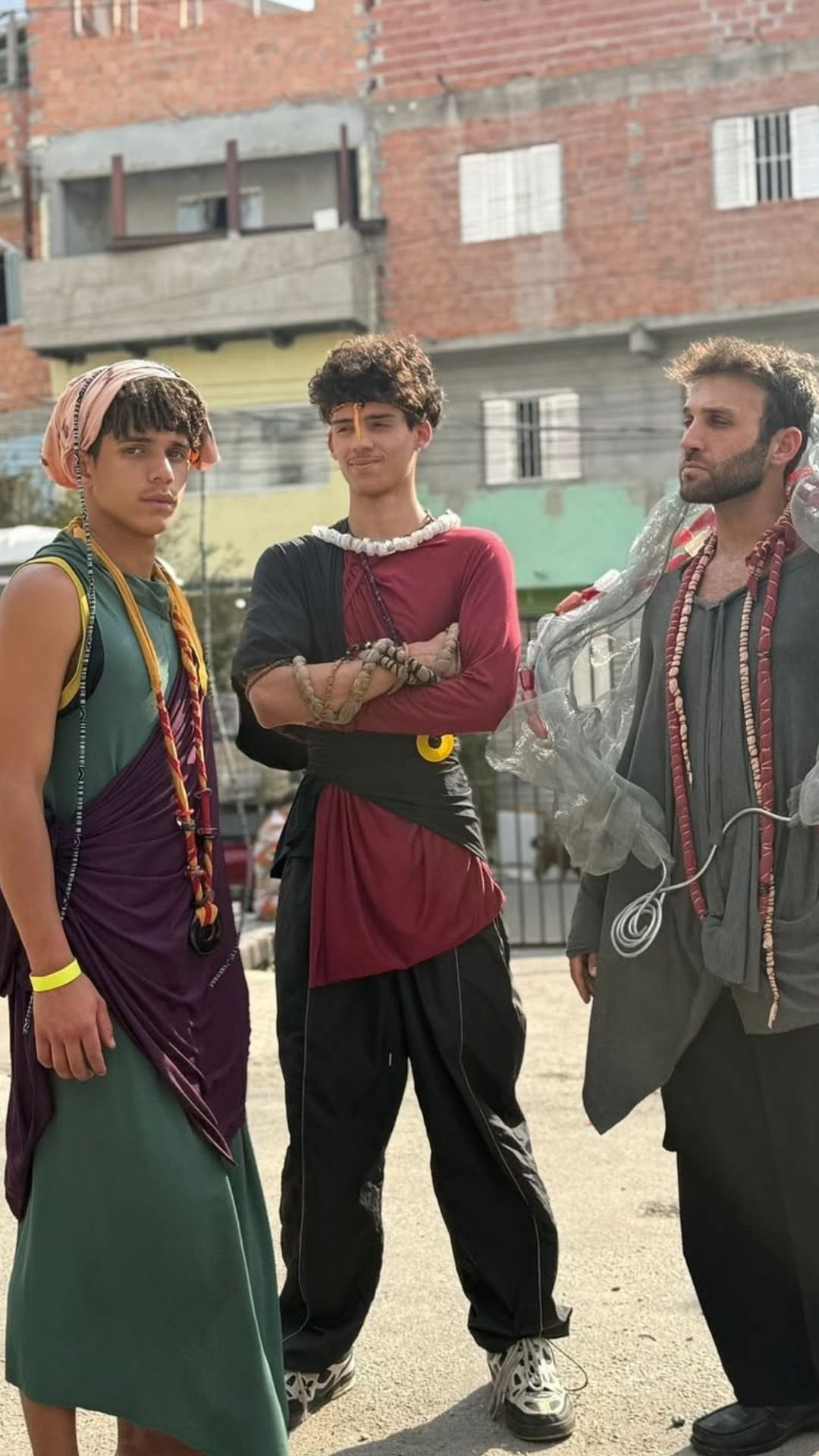
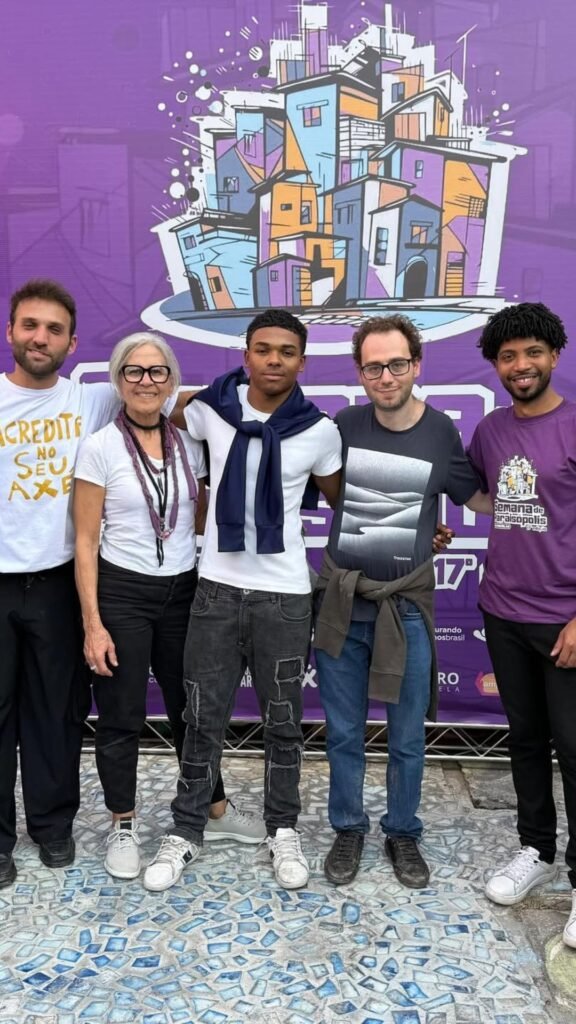
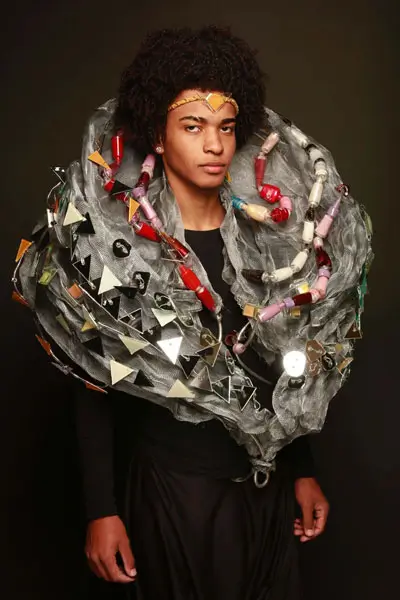
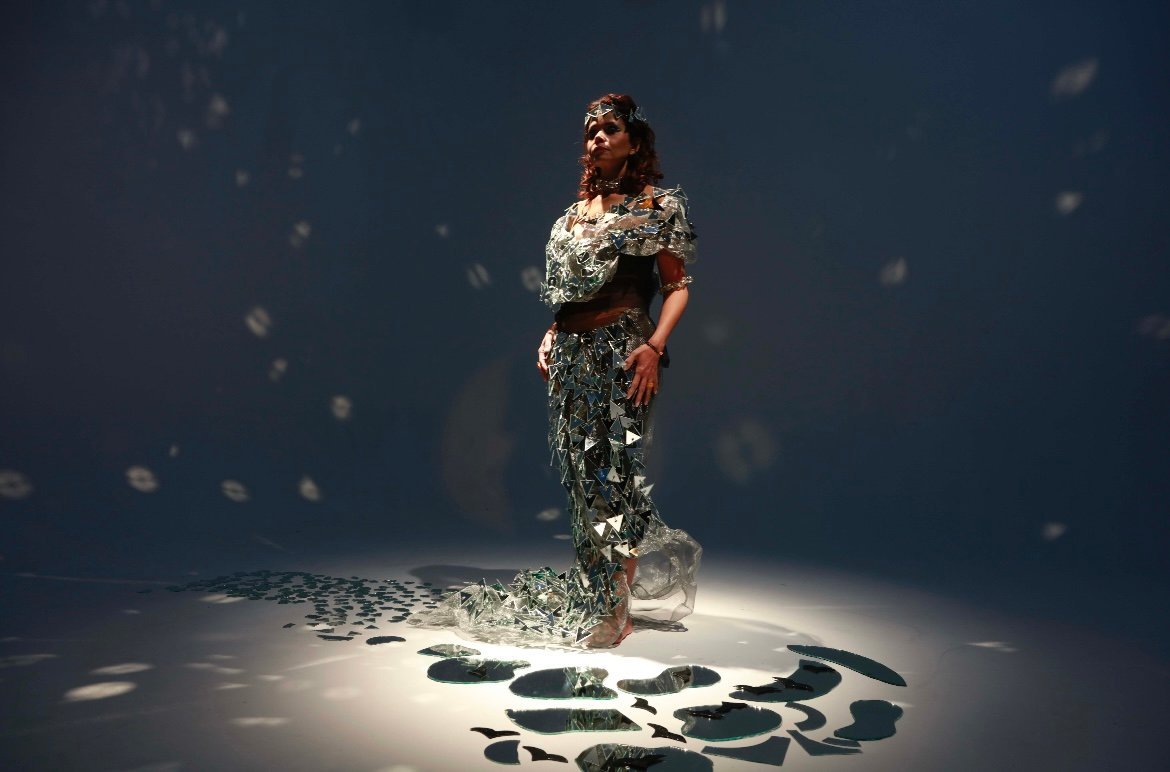
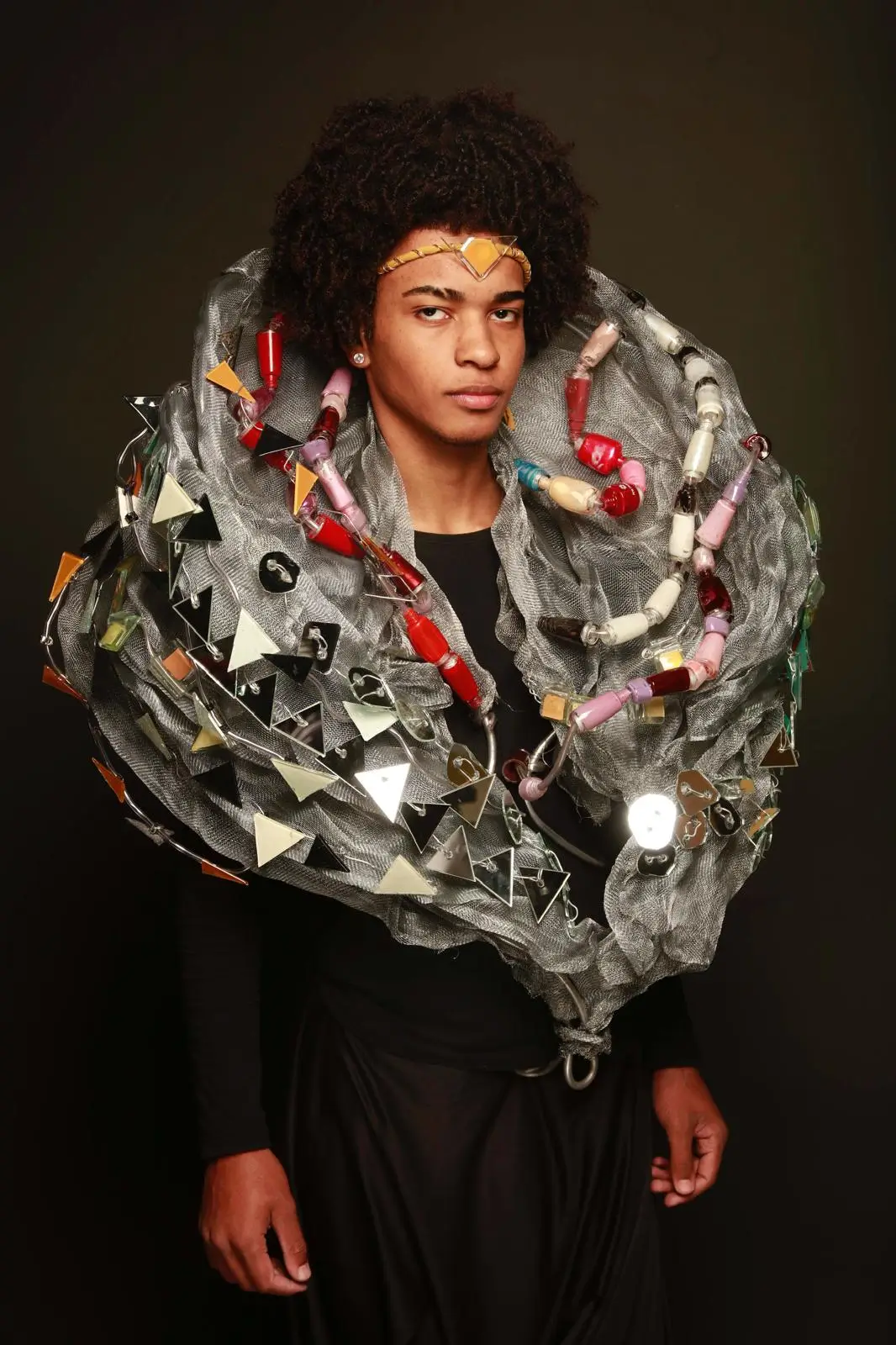
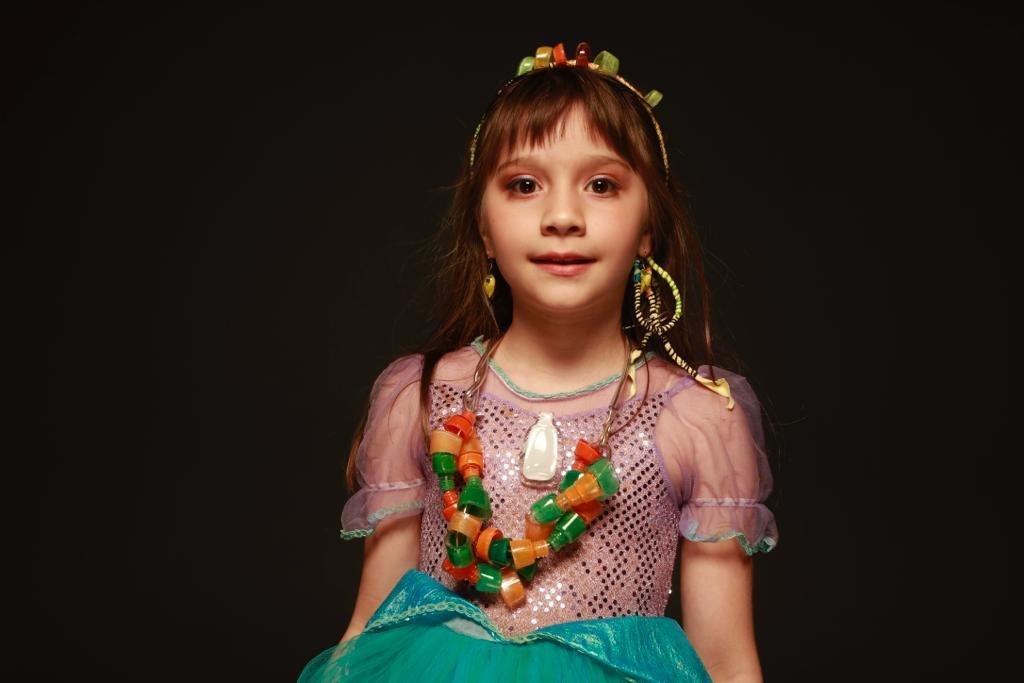
Since 2003, Debora has explored the field of fashion through performances featuring glass garments and glass scenography. She develops accessories using donated reused textile materials, among other elements combined with glass.

Since 2020, she has been developing projects in this field with the community of Paraisópolis.


This is the third year they have produced fashion shows and photo sessions together with the renowned Brazilian photographer and artist Gal Oppido.

✦ 2026: A New Cycle Begins
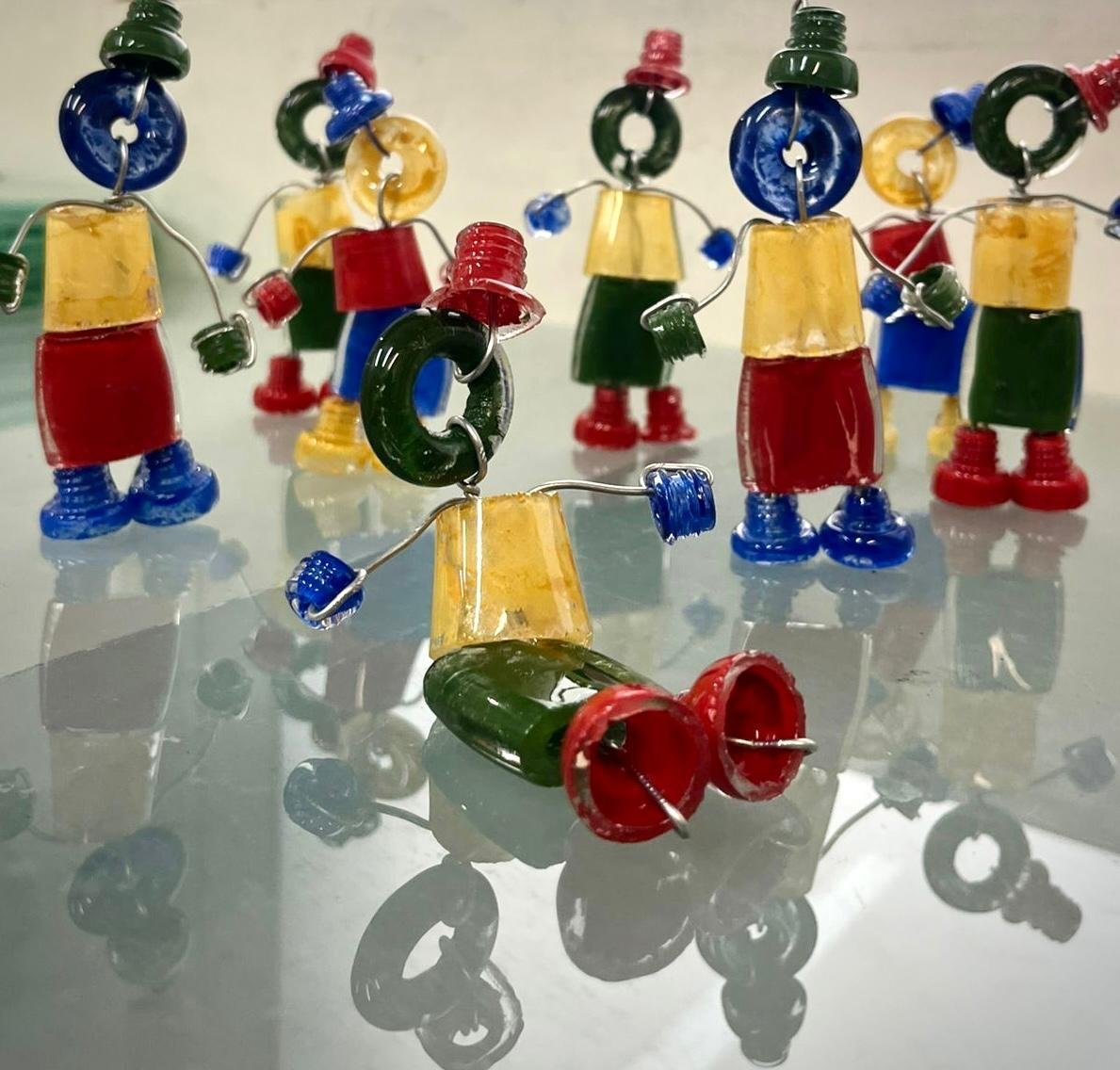
Did you know that small and contaminated nail polish bottles are not recycled and do not even have a proper destination?
From this challenge emerge the characters Mi-Ca-Ti and Cati-Mi, created from the reuse of these bottles. The art of reuse becomes a form of communication that, when aligned with the circular movement, becomes a vehicle for real action and transformation.
MiCati and Catimi, meaning “catch me,” represent the call of the mascot that will become, in 2026, a video animation created by the internationally renowned Flamma Studio, whose partners include Disney Channel and Warner Bros.
In this playful way, we intend to spread the message about the need to build a universe grounded in philosophy and art, in virtues, principles, and the needs of contemporary society.
After a significant 2025, marked by the convergence of decades of research, creation, and purpose, Debora Muszkat now turns toward a new cycle.
Following Debora’s participation in the WCEF in Brazil this year, a new movement has begun. A universal engagement between the artist and entrepreneurs in the fields of sustainability, creative economy, circular economy, and ESG has been established.
Debora’s art and artistic space create a collective awakening, while also becoming a vehicle for action among all. In Brazil, the space becomes a place for gatherings and debates.


2026 also marks the beginning of workshops and gathering sessions in Brazil, hosted at Casa do Vidro, creating a space for dialogue, imagination, and collective awareness. At the same time, Debora begins experimenting with these encounters in Denmark, alongside her husband, expanding the initiative beyond borders. The intention is to foster greater engagement and a truly borderless movement, using art as a bridge to connect schools, companies committed to ESG values, and other organizations in building new paths for awareness, creativity, and transformation.


Art becomes a vehicle for collective action and transformation, giving rise to workshops, awareness lectures, and collective campaigns.
The year 2026 will conclude with the launch of the book “A Life Through Glass — Where Everything Happens.”
Like an alchemical process, the fusion of material and spiritual elements gains new life and new perspectives for a world that can belong to everyone.
An Immersive Experience — MIS Experience
In a room offering a 360-degree fully immersive experience, “Human beings, sky, sea, forests, animals, plants, birds, and water” become one, embracing everything and everyone within the same space.
Matter and light, filled with meaning, remain in constant motion, just like the universe. For the universe, what matters is not what is right or wrong, but movement in evolution.


