
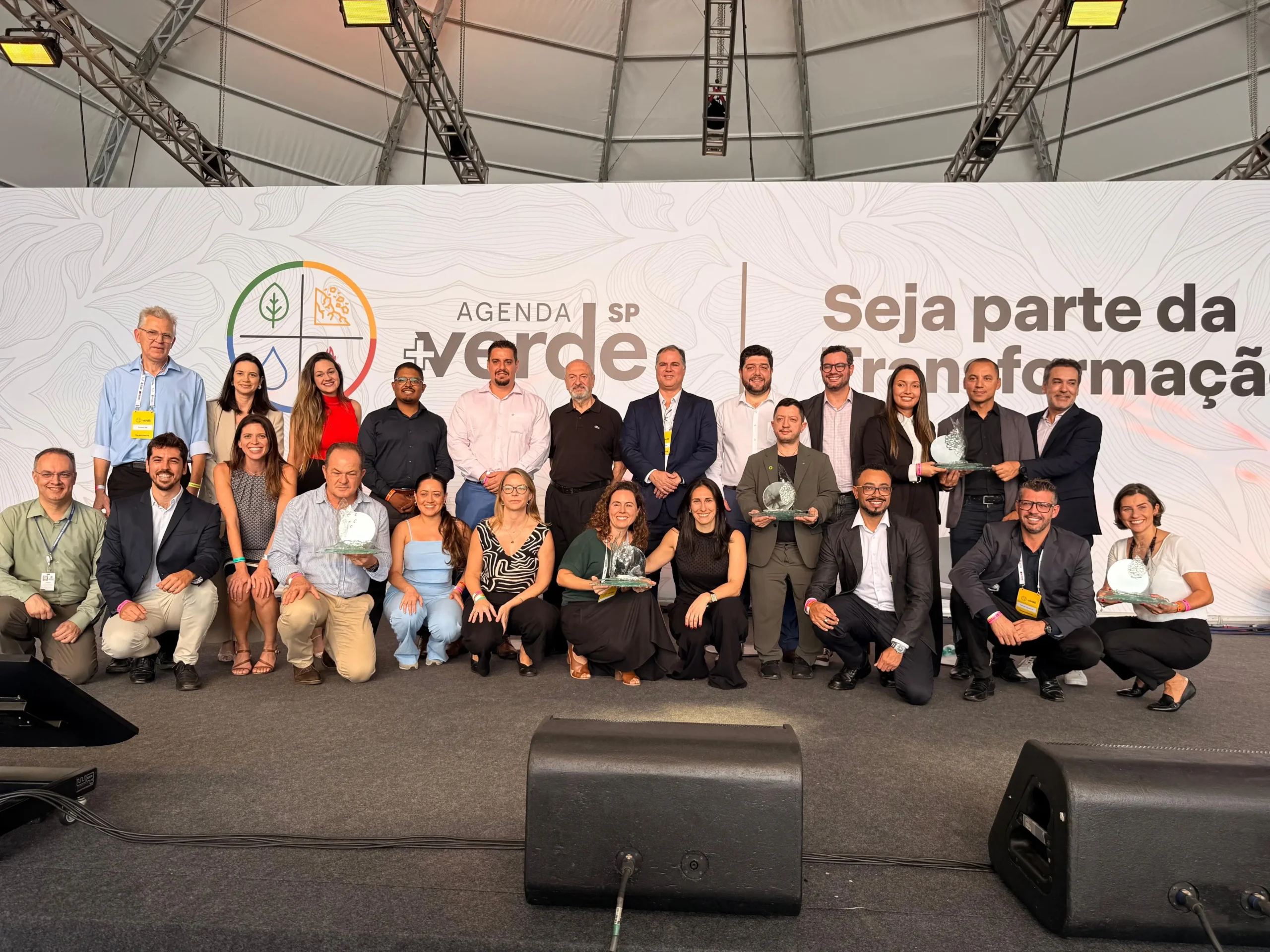
On the second day of the Summit Agenda SP+Verde, a pre-COP event held at Parque Villa-Lobos, the São Paulo State Government announced the winners of the SP Carbono Zero Award 2025. The ceremony celebrated initiatives that point to concrete paths toward a low-carbon future — from ecological restoration and clean energy to environmental education and circular innovation.
Among the 154 submissions, representatives from companies, NGOs and public institutions gathered for one of the most anticipated moments of the event. Attendees included Natália Resende (State Secretary for Environment, Infrastructure and Logistics), Fernando Padulla (Municipal Secretary of Education), and José Renato Nalini (Executive Secretary for Climate Change of São Paulo). The ceremony was hosted by journalist Glória Vanique.
Art as a Symbol of Circularity
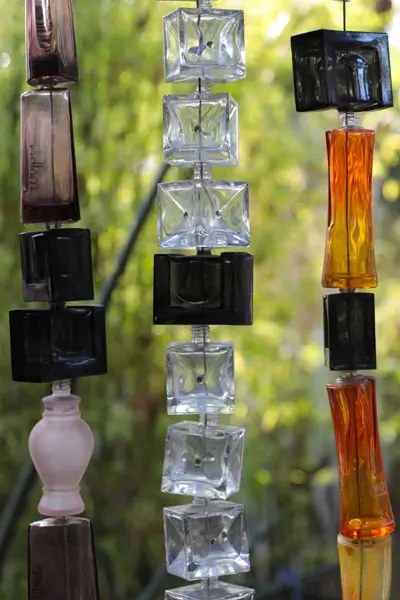
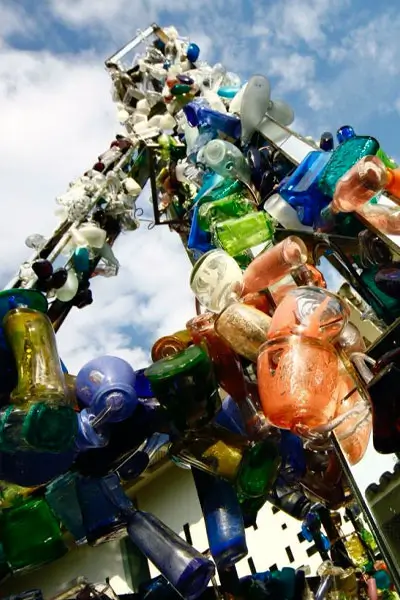
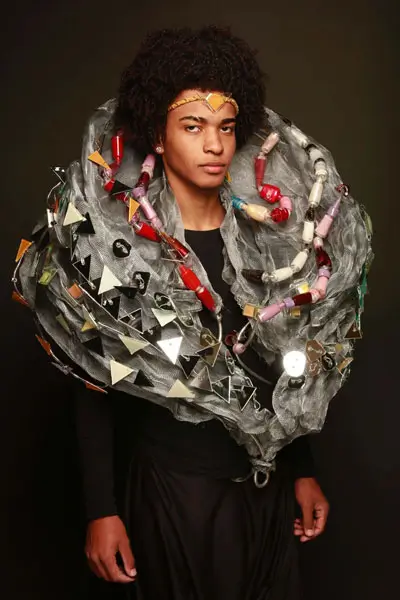
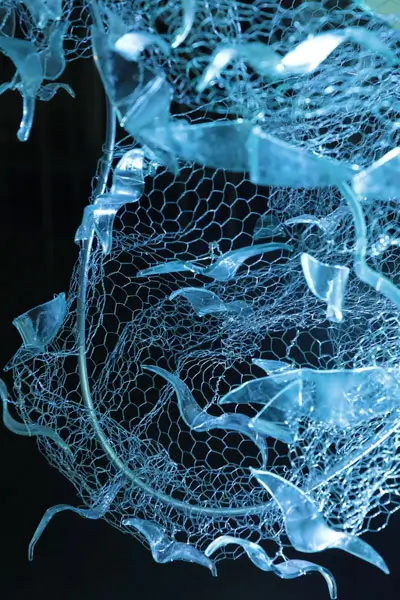
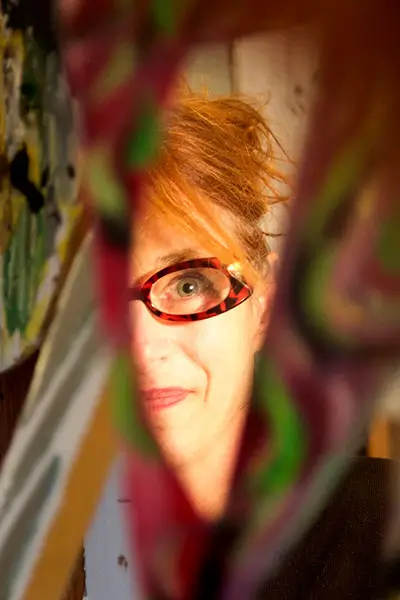
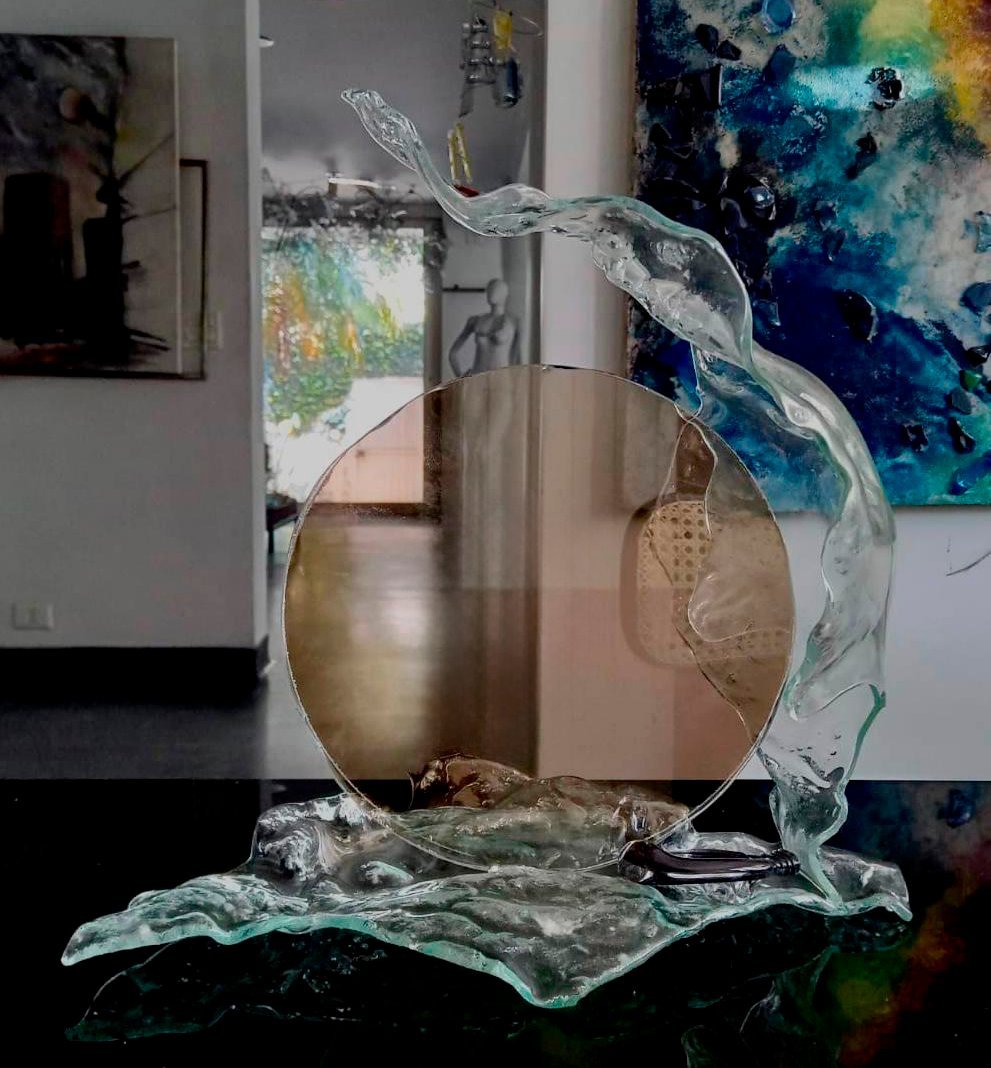
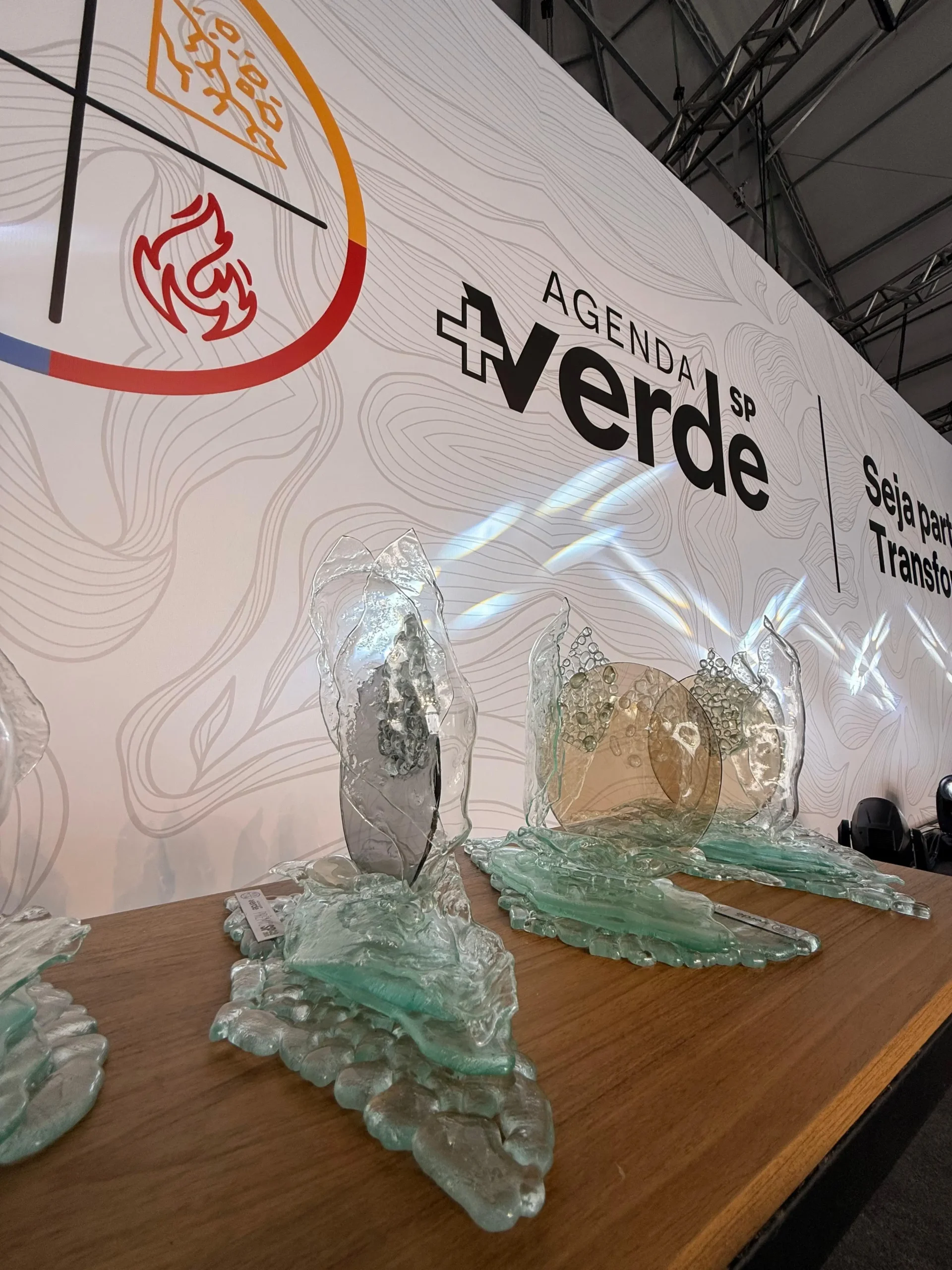
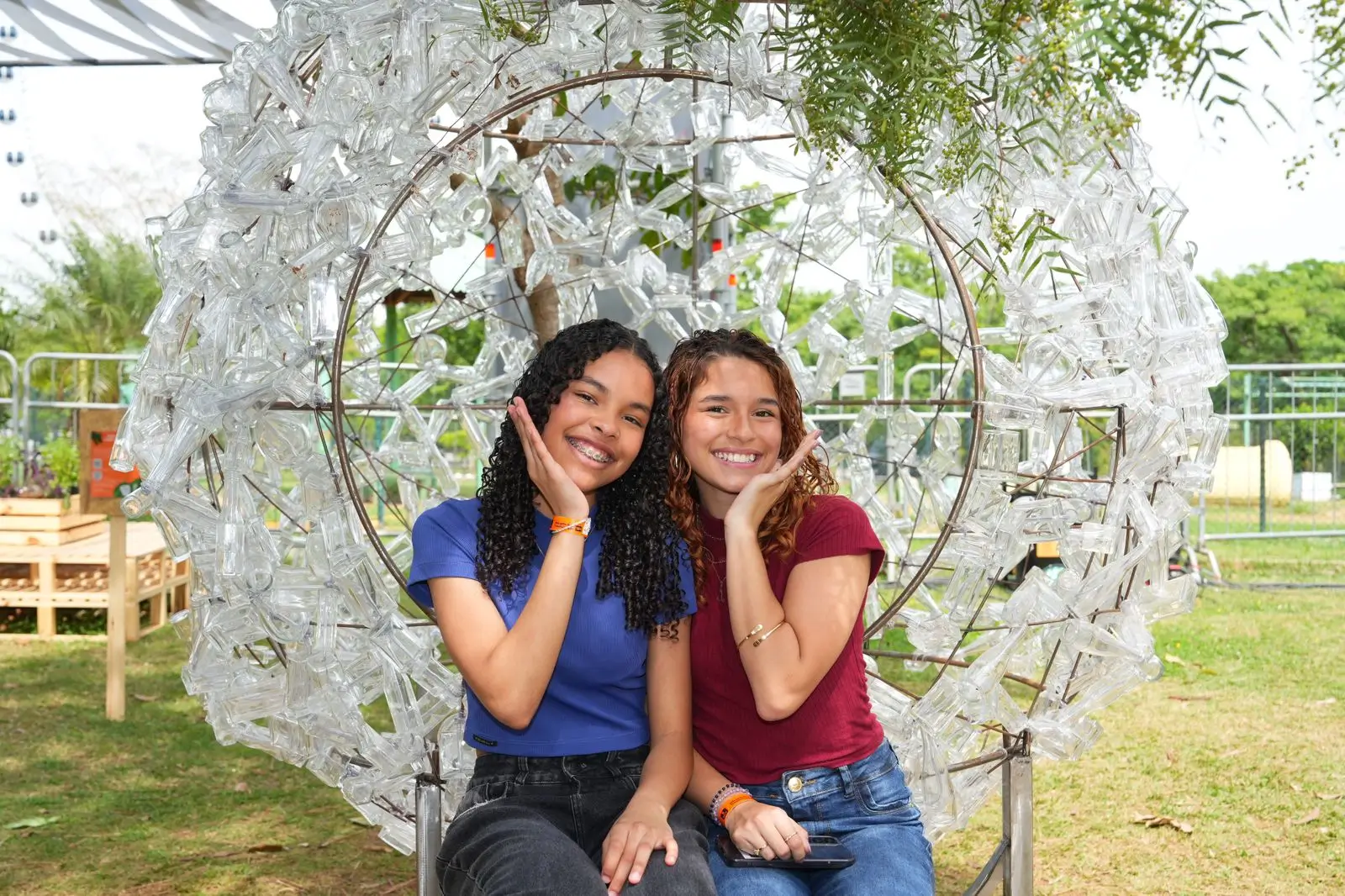
The trophies awarded to the winners were designed by artist Débora Muszkat and produced in the Paraisópolis community through a process of glass reutilization, transforming waste into unique pieces of art. Each trophy embodied the concept of circularity that guided the entire award — highlighting the essential role of art in the transition to a more sustainable world.
Environmental Education as a Driver of Change
During the ceremony, Secretary Natália Resende emphasized the importance of bringing public authorities closer to schools and fostering environmental awareness from an early age.
She also highlighted Finaclima, a state fund designed to accelerate climate action in collaboration with the private sector.
“Sustainability must be lived. Learning how to make use even of waste creates jobs and development. We created Finaclima to strengthen this partnership. Here, everyone is a winner,” she stated.

Award-Winning Projects
1st Place — AARR Corredores de Vida (IPE, AstraZeneca, and Biofílica Ambipar Environment)
A major restoration initiative in the Atlantic Forest, already responsible for 15 million trees planted, reconnecting forest fragments and supporting local communities.
2nd Place — “Nos Hospitais” (CPFL)
A program that implemented energy efficiency measures in public hospitals, reducing nearly 7 tons of CO₂ emissions through cleaner technologies.
3rd Place — “Reimagining a Sustainable Future” (Toyota do Brasil)
A circular economy project that repurposes around 330 tons of waste annually, transforming discarded materials into new products and generating income — including bags produced for Paralympic athletes.
4th Place — 100% Electric Educational Boat (Instituto Meu Oceano)
The country’s first fully electric educational vessel, engaging young people in vulnerable situations and benefiting more than 30,000 students per year through hands-on environmental learning.
Additionally:
Motiva was recognized as the largest donor to Finaclima, supporting the restoration of 100 hectares of degraded land.
Rumo Logística received an honorable mention for its contribution to the fund.
Climate Education Highlight: Olho na COP30
The ceremony also celebrated the winners of the Olho na COP30 project, created by the São Paulo City Government to promote climate education. The initiative mobilized 90 public elementary schools, encouraging students to develop sustainability and climate-related projects.
A total of 18 students were honored for their work and engagement.
Workshop: Glass as Art and Transformation
As part of the Summit’s program, artist Débora Muszkat also led the workshop “Circular Awareness – Glass as Art and Transformation” on November 4, presented by Solví at the Circularity Hub.
Participants were invited to create their own artworks using glass waste, exploring new aesthetic possibilities and rethinking the value of discarded materials.
The workshop encouraged practical reflection on conscious consumption, circularity, and the transformative potential of art. The session was facilitated by Sueli Oliveira.
About the Summit Agenda SP+Verde
The Summit is an international pre-COP event promoted by the São Paulo State Government, São Paulo City Government and the University of São Paulo (USP). It brings together experts, leaders, and civil society representatives to discuss sustainable development and the green economy.
The venue at Parque Villa-Lobos includes five stages, an innovation area, business matchmaking sessions, a Circularity House, a food court, and cultural attractions.
Discussions are organized around four thematic pillars: Green Finance, Resilience and the Future of Cities, Climate Justice and Socio-biodiversity, and Energy Transition and Decarbonization.
A circular economy trail connects all stages and extends to the Circular Economy House, offering workshops and experiential activities curated by the Circular Movement.
Universities and research institutes participate in the innovation area, highlighting the role of science and technology in São Paulo’s climate transformation. The main stage hosts national and international leaders to debate the global advance of the green economy.